The biggest myth in parkour is that you need a specialized gym or a perfect outdoor spot to start training. While the spectacular jumps happen outside, the strength required to perform them is built on the floor of a bedroom or a living room doing Parkour conditioning exercises. It is about bodyweight mastery, and you can develop a world-class foundation using nothing but your own gravity and a few square feet of space.
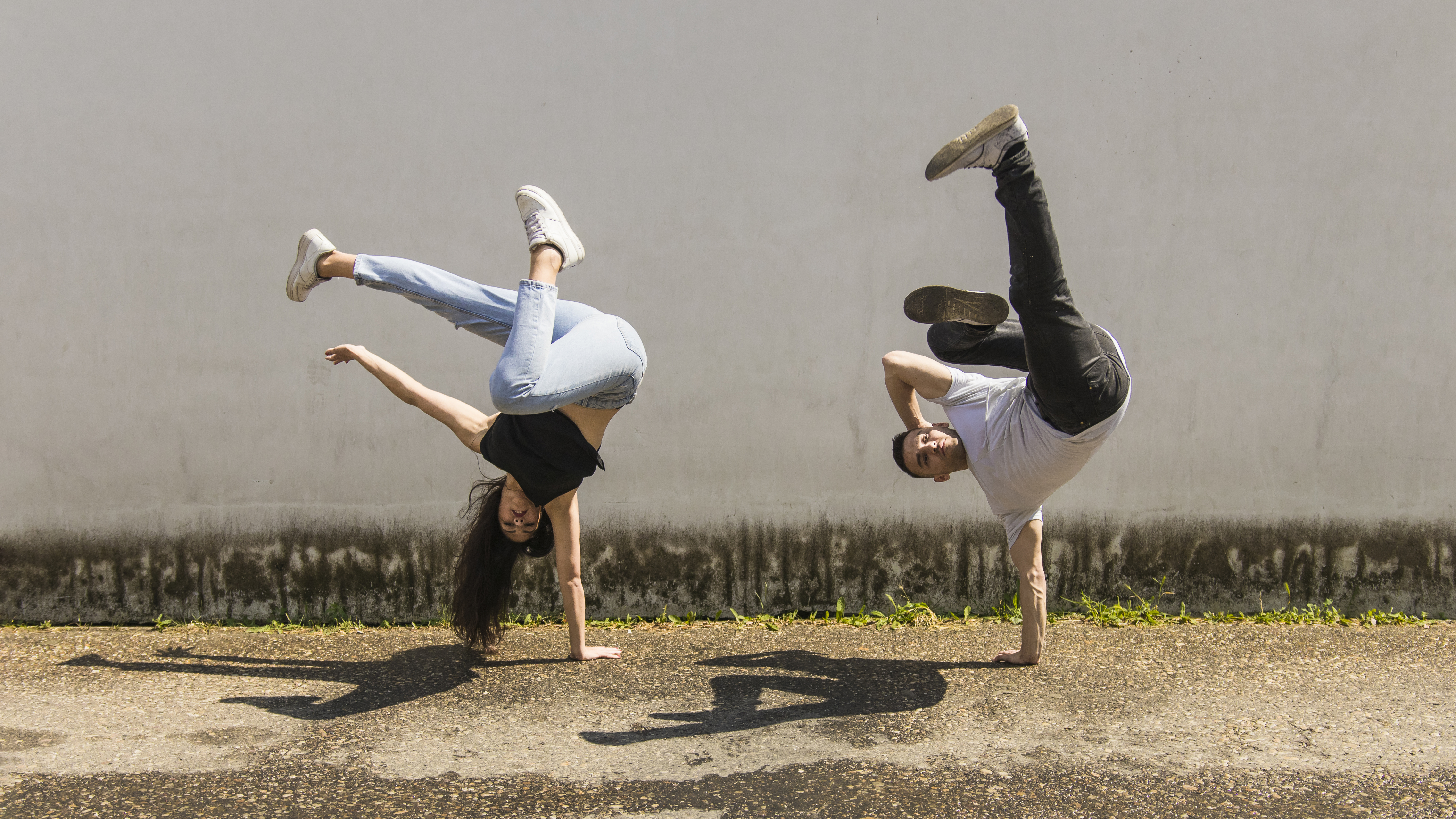
Quadrupedal Movement for Full Body Stability
The first and most vital movement in parkour conditioning exercises is Quadrupedal Movement (QM). This is essentially crawling on all fours, but it is far more taxing than it sounds. By keeping your knees just an inch off the ground and moving in a reciprocating pattern where your left hand and right foot move together, you build incredible cross-lateral coordination. This exercise targets the serratus anterior and the deep core, which are the muscles that keep your shoulders from collapsing when you hit a wall during a cat leap. To make this an 800-word level workout, try various directions: crawling backward and sideways requires a completely different set of stabilizing muscles and increases your spatial awareness significantly.
Silent Box Jumps for Eccentric Control in Parkour Conditioning Exercises
Second is the Silent Box Jump. You do not need a professional plyo-box; a sturdy, low chair or even a bottom step of a staircase will do. The goal here is not height, but eccentric control. When you jump onto the surface, you must land in total silence. If you hear a thump, it means your joints took the impact instead of your muscles. This drill trains the muscles in your legs to absorb energy, which is what protects your knees and ankles when you eventually start jumping off taller obstacles outdoors. Mastering the silent landing at home is the best way to ensure you don’t develop chronic joint pain once you take your training to the concrete streets.
Precision Planks for Wrist and Forearm Strength
The third exercise is the Precision Plank. Most people do planks on their elbows, but parkour athletes should do them on their hands, with the hands placed very close together. This mimics the Kong position, where your weight is supported by your wrists as you vault over a wall. This builds the wrist and forearm stability necessary to prevent the “buckling” that often causes beginners to fail during their first few months of training. To increase the difficulty, try shifting your weight forward over your fingertips. This conditions the tendons in your wrists to handle the sudden “loading” that occurs when you catch a ledge or push off a wall.
Hollow Body Rocks for Midsection Tension
Fourth, you should focus on the Hollow Body Rock. Lie on your back, lift your legs and shoulders off the ground so you are shaped like a banana, and rock back and forth without letting your lower back leave the floor. This is the foundation of tension. In the air, a loose body is heavy and difficult to control. A tensioned body is light and fast. This core exercise is what allows athletes to stay tight during flips and spins, ensuring they land on their feet rather than their backs. It is the bridge between strength and acrobatics.
Wall Sits with Calf Raises for Joint Bulletproofing
Finally, we have Wall Sits with Calf Raises. While sitting with your back against a wall and your knees at a 90-degree angle, lift your heels off the ground repeatedly. Your calves and Achilles tendons are the “springs” of your body. In parkour, these are the most common points of failure and injury. By strengthening the calves while the quads are under tension, you are essentially “bulletproofing” your lower legs for high-impact landings. This exercise also builds the muscular endurance needed for long training sessions where you might be performing dozens of jumps in a row.
Concluding Remarks
Parkour is 90% preparation and 10% execution. If you spend your time at home building this foundation fo parkour conditioning exercises, you will find that when you finally go outside, the “impossible” moves feel surprisingly easy. You don’t need a fancy gym membership or expensive equipment to become an elite mover. You just need the discipline to master your own body in the space you already have. Consistent at-home conditioning is what separates the people who try parkour for a week from the people who make it a lifelong practice. Mastery starts on your living room floor.