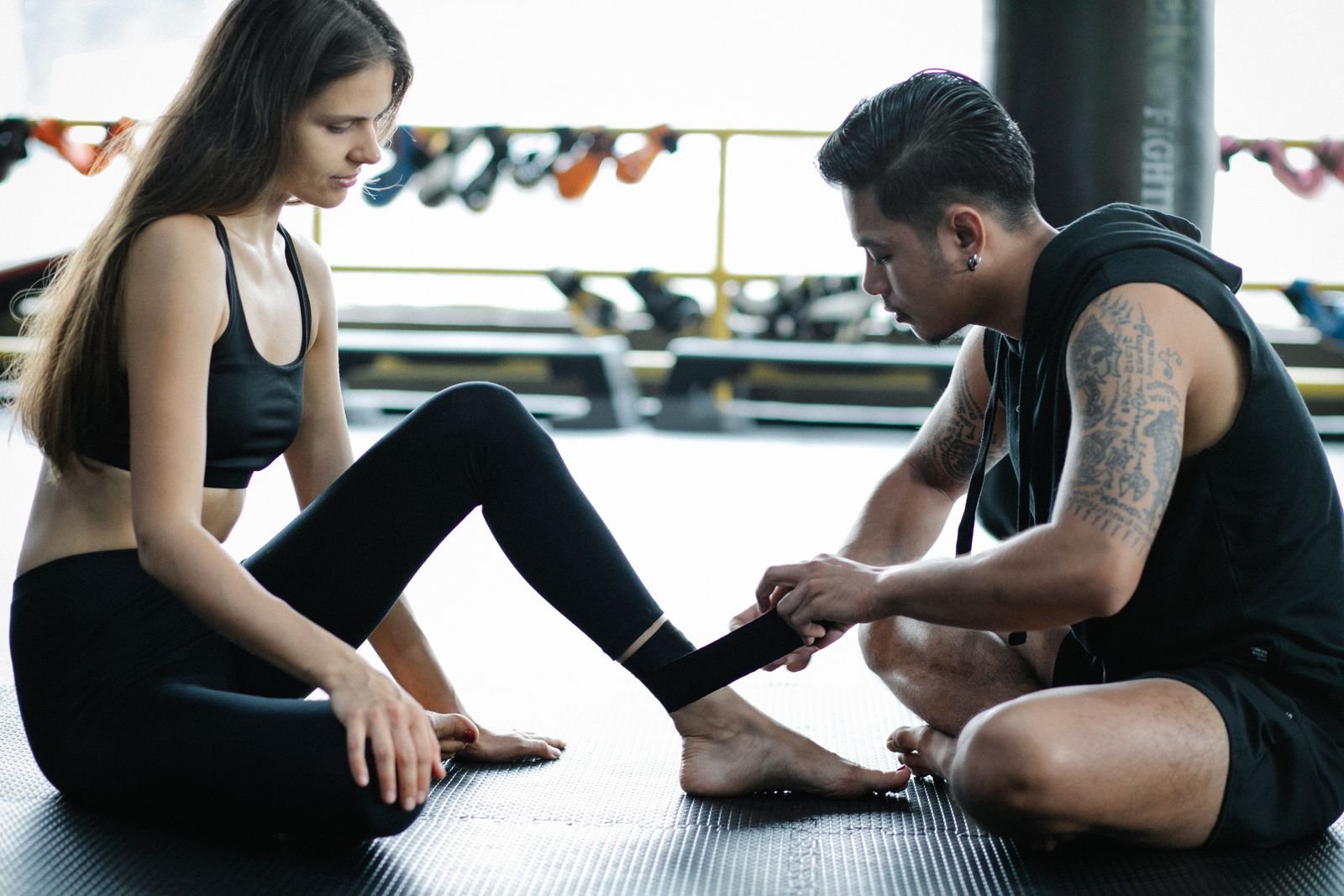
If you’ve sprained an ankle before, wearing a brace or tape while you train is worth it: the research on preventing repeat sprains is strong, and most of the benefit goes to people with a previous sprain. A lace-up or strapped brace is the practical choice for most traceurs because you can reuse it and adjust it mid-session. Tape works too, but it’s single-use. Neither replaces the balance and strength work that rebuilds the ankle itself.
This post contains affiliate links. As an Amazon Associate, we earn from qualifying purchases at no extra cost to you.
Quick picks: the ASO Ankle Stabilizer for a classic lace-up, the McDavid 195 for straps you can tighten without taking your shoe off, and Mueller athletic tape if you’d rather tape.
What the Research Says
Ankle sprains are the most common parkour injury in the surveys that exist, as our breakdown of parkour injuries shows, and a sprained ankle is prone to going again. Two strong sources cover what helps:
- Bracing prevents repeat sprains. A 2017 overview of systematic reviews by Doherty and colleagues in the British Journal of Sports Medicine found strong evidence that bracing prevents a recurrent ankle sprain, and moderate evidence for neuromuscular training.
- It matters most if you’ve been injured before. The National Athletic Trainers’ Association position statement recommends that athletes with a history of ankle sprains wear tape or a brace for all practices and games. It cites a systematic review in which 5 athletes with a previous sprain needed to be braced to prevent one sprain, compared with 57 athletes without one.
In other words, if you’ve never sprained an ankle, a brace isn’t likely to do much for you. If you have, it’s one of the best-supported things you can do.
Brace or Tape?
The NATA statement describes both lace-up and semi-rigid braces and traditional taping as effective at reducing recurrent sprains, but the head-to-head results are mixed: one study found them equally effective, while two others found tape much less effective than bracing.
| Brace | Athletic tape | |
|---|---|---|
| Reusable | Yes | No, a new wrap every session |
| Adjust mid-session | Yes, re-tighten the laces or straps | Only by re-taping |
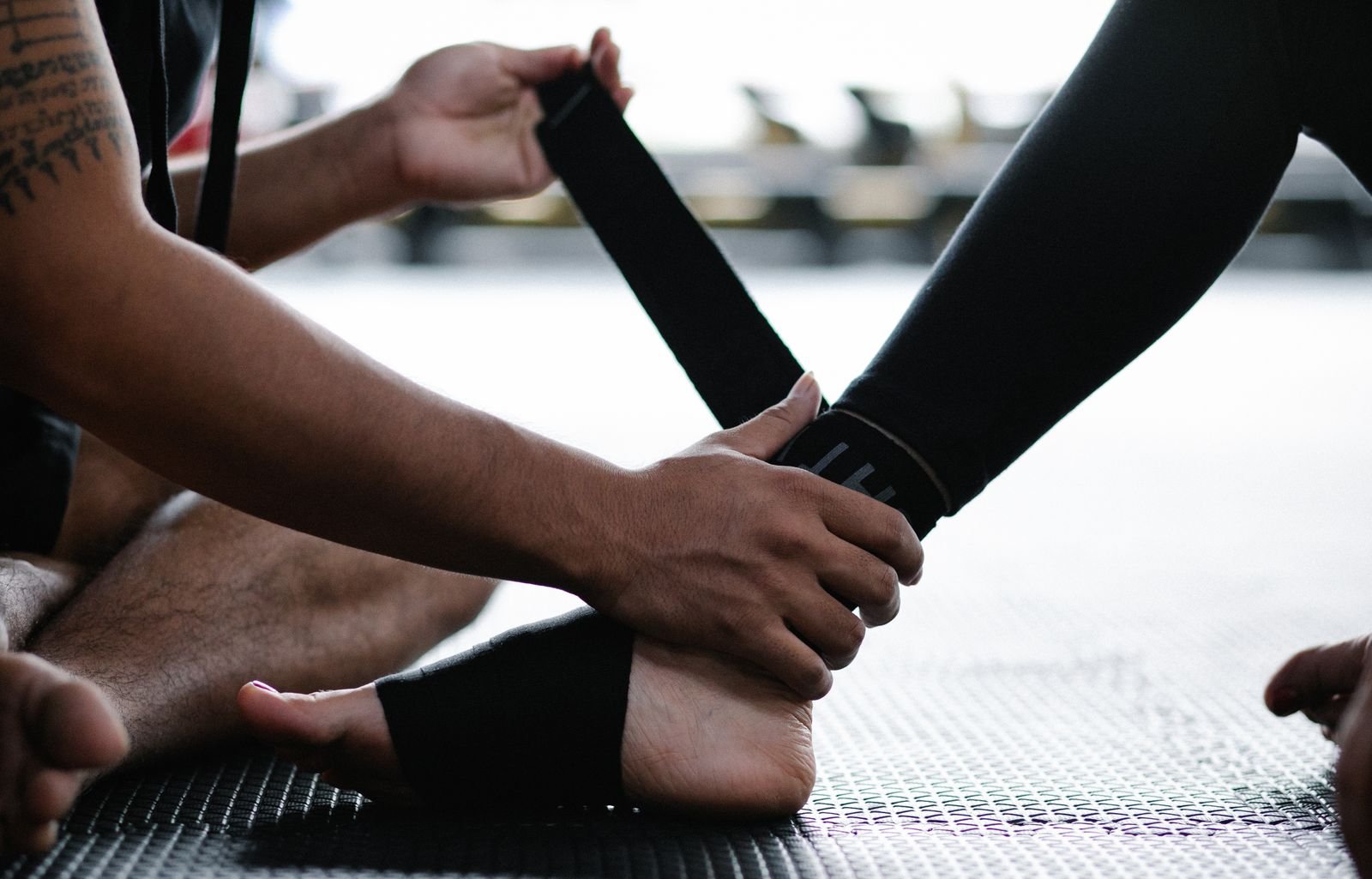
| Skill needed | Little | Needs to be learned, ideally from a physio or athletic trainer |
| Bulk in the shoe | More | Less |
Four Options Worth Considering
We haven’t tested these ourselves. Specs come from each brand’s own product page, and budget bands are based on the brand’s list price.
ASO Ankle Stabilizer
- Who it suits: anyone after a classic lace-up brace with extra straps.
- Why it’s worth a look: Med Spec lists figure-eight stabilising straps, a lace-up closure and a design that fits either foot. It’s sized by ankle circumference, from 9 to 10 inches up to 16 inches and above.
- The catch: lacing it takes longer than a slip-on brace.
McDavid 195 Ankle Brace with Straps (under $50)
- Who it suits: someone who wants to adjust support during a session.
- Why it’s worth a look: McDavid describes a figure-6 strap system designed to mimic a tape job, adjustable without unlacing or taking the shoe off, and a brace that fits left or right.
- The catch: McDavid’s own site showed most adult sizes as sold out in November 2026, so check stock on the listing.
Zamst A2-DX (under $100 per brace)
- Who it suits: someone with an ankle that keeps going, who wants stronger support.
- Why it’s worth a look: Zamst rates it as strong support, with guards that limit excessive inward and outward movement and a dual X-strap stabiliser.
- The catch: it’s sold as a single left or right brace, not a pair.
Mueller Athletic Tape, 1.5 inch (under $25)
- Who it suits: someone who wants support without a brace in the shoe, and is willing to learn to tape.
- Why it’s worth a look: Mueller sells a 4-pack of 1.5-inch by 10-yard rolls of cotton tape with serrated edges for easier tearing.
- The catch: every session uses fresh tape, so the cost adds up if you tape often.
Using Support in Parkour
- Check your shoes with the brace on. A brace adds bulk, so your usual parkour shoes may feel tighter. Try both together before a session.
- Get used to it low. Do landings and low precision jumps first, so you know how the ankle feels with support before anything bigger.
- Don’t use it to come back early. Support helps prevent the next sprain. It doesn’t mean the last one has healed. Follow our criteria-based return plan after an ankle sprain first.
- Keep doing the balance work. The NATA statement reports fewer sprains and better balance after balance training and multi-part prevention programmes. Our guide to building ankle strength covers the exercises.
What to Check Before You Buy
- The sizing method: some brands size by ankle circumference, others by shoe size.
- Whether it’s sold singly or as a pair, and left or right specific.
- That it fits inside the shoes you actually train in.
- That the listing is sold by Amazon or the brand’s official store.
Frequently Asked Questions
Should I wear an ankle brace if I’ve never sprained my ankle?
Probably not. The NATA statement found no difference in sprains between uninjured athletes who were braced or taped and those who weren’t. The benefit is for people with a previous sprain.
Is kinesiology tape the same as athletic tape?
No. Kinesiology tape is a stretchy tape applied in strips. The taping research in this article refers to traditional, rigid athletic tape wrapped around the ankle.
Where to Go Next
Pair support with How to Build Ankle Strength for Safer Landings, and keep tape in your parkour first aid kit.