Preventing shin splints from parkour training comes down to one core principle: increase training volume gradually, never suddenly. Shin splints, medically known as medial tibial stress syndrome, are an overuse injury from repeated impact, and parkour’s constant jumping and landing puts real, repetitive load directly on the shin.

Why Shin Splints Happen in Parkour Specifically
A systematic review of shin splint prevention research found the strongest evidence behind shock-absorbent insoles, proper footwear, calf stretching, and gradual training progression. Every jump, vault landing, and drop in parkour sends repeated force straight through the tibia, and when that load increases faster than the bone and surrounding tissue can adapt, inflammation and pain develop. This is exactly the same mechanism that affects runners who ramp up mileage too fast, just triggered by landings instead of strides.
The 10% Rule
Increase training volume, whether that’s session frequency, jump height, or total impact reps, by no more than about 10% per week. This conservative pace gives bone and connective tissue time to actually adapt to new load, rather than accumulating micro-damage faster than your body can repair it. It’s a simple number, but it’s the single most evidence-backed lever available.
Strengthen the Muscles That Absorb Impact
Calf raises and tibialis anterior work (the muscle running along the front of your shin) directly strengthen the tissue that absorbs landing force. A simple, effective exercise: stand with your heels on the ground and lift just your toes and forefoot upward, repeatedly, this isolates the tibialis anterior in a way most training otherwise misses entirely.
Landing Mechanics Matter as Much as Volume
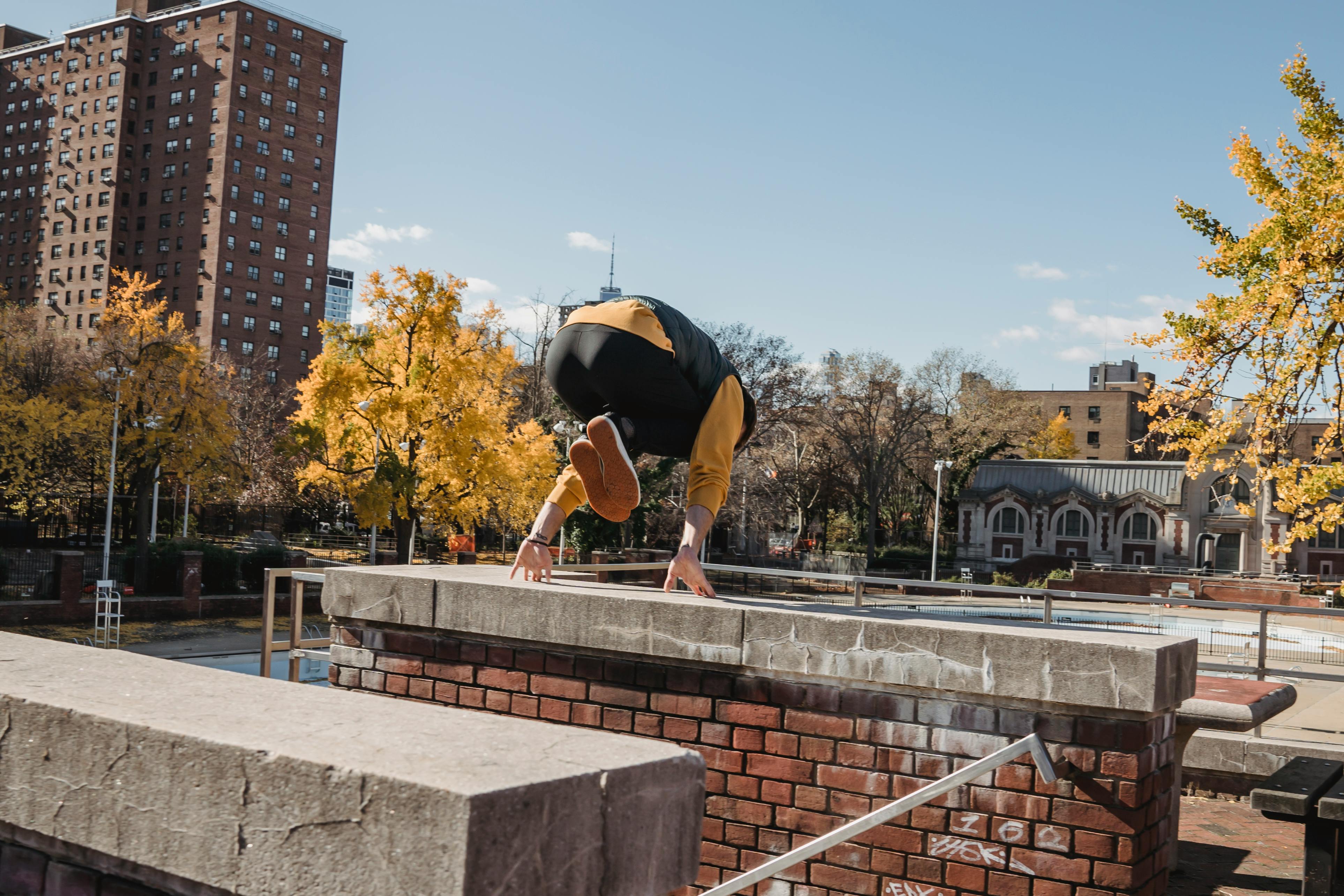
Landing flat-footed or heel-first sends far more shock straight up the shin than landing on the balls of your feet with bent knees actively absorbing impact. This is the same landing technique that protects your ankles, and it protects your shins for the same underlying reason, less raw force reaching the bone in the first place.
Footwear and Surface
Worn-out shoes lose their ability to absorb impact, and most experts recommend replacing training shoes every 300-500 miles of use. Training exclusively on hard concrete without any variation also compounds cumulative shin load over time, mixing in grass or padded surfaces during conditioning work, when the session allows for it, gives your shins a real break.
When Shin Pain Means Stop, Not Push Through
Early shin splints cause a dull ache during or after training that fades with rest. Ignored, this can progress toward a stress fracture, a genuinely more serious injury with a recovery timeline of 6-8 weeks. Catching shin pain early and backing off training volume for a few days costs far less than pushing through into a stress fracture.
Frequently Asked Questions
How do I know if it’s shin splints or something worse?
Shin splints typically cause a dull, diffuse ache along the shin that improves with rest. A sharp, focused pain in one specific spot, especially if it doesn’t ease with rest, could indicate a stress fracture and is worth having checked by a sports medicine professional.
Can I keep training with mild shin splints?
Light, low-impact training is often fine, but genuine impact work, jumps, vaults, height, should pause until the ache resolves. Training through worsening shin pain is exactly how a manageable overuse issue turns into a stress fracture.
Do compression sleeves actually help?
They may improve comfort during training, but the evidence behind their actual preventive effect is limited. Training progression, strengthening, and landing mechanics all have far stronger evidence behind them than compression alone.
Where to Go Next
Shin health pairs directly with overall injury prevention. Read next: How to Build Ankle Strength for Safer Landings and Common Parkour Injuries by Body Part.