This post contains affiliate links. As an Amazon Associate, we earn from qualifying purchases at no extra cost to you.
The best backpack for parkour is a slim daypack of around 15 to 25 litres with a sternum (chest) strap and ideally a hip belt, so it sits close to your back and doesn’t swing when you move. You’ll usually drop your bag at the spot while you train, so the real job is carrying water, shoes, a first aid kit and spare layers to and from sessions, comfortably and without bouncing when you jog between spots.
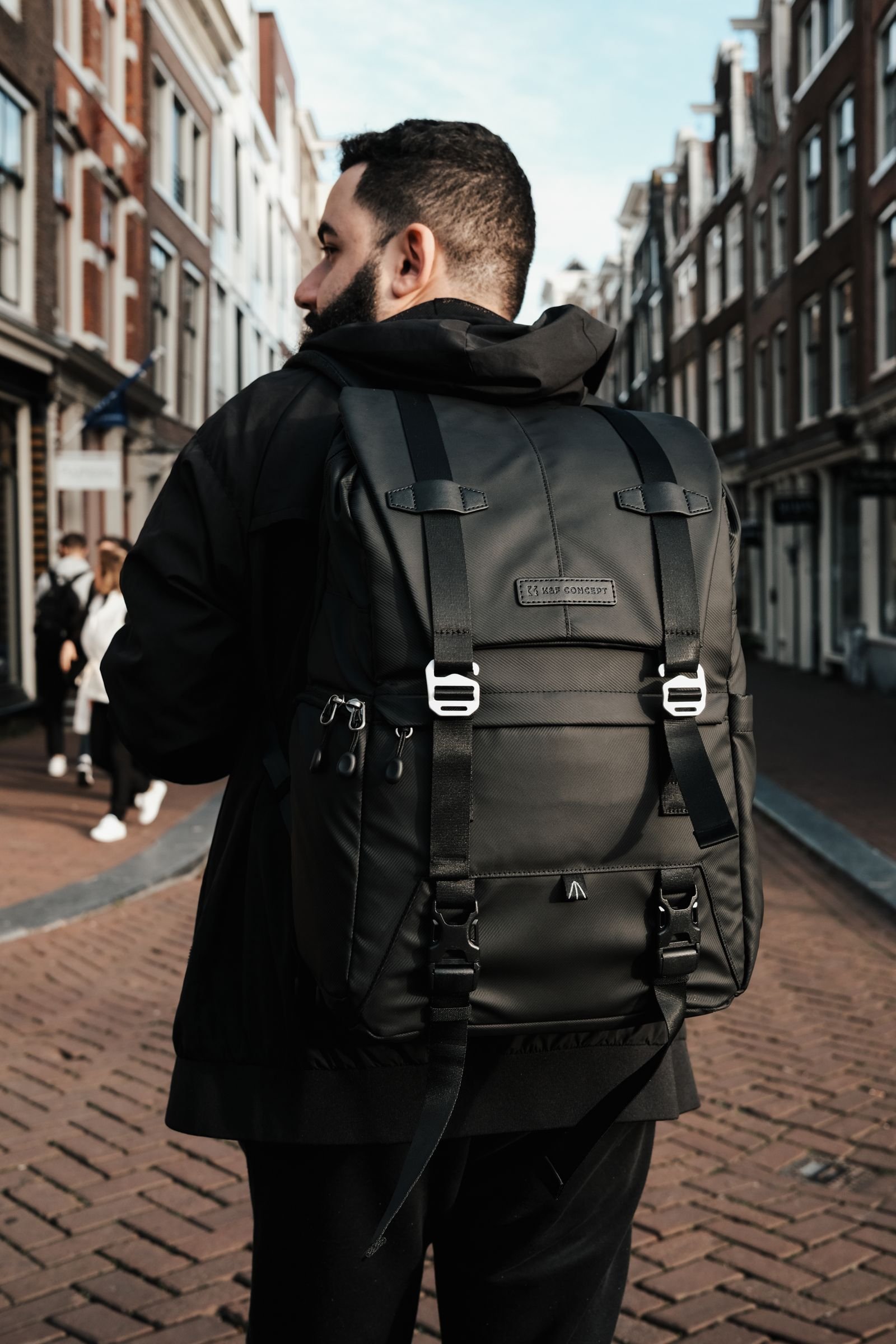
What a Parkour Bag Needs to Carry
Parkour.com’s gear guide recommends taking a bag with water and bandages, especially when you train alone. Parkour Visions suggests keeping your first aid kit, towel and spare clothes dry in a waterproof bag. A typical load looks like this:
- Water (one or two bottles, or a hydration bladder)
- A small first aid kit
- A spare top or warm layer
- Phone, keys and wallet
- A snack
- Optionally, a second pair of shoes or a laptop if you’re coming from work or school
That fits easily in 15 to 25 litres. REI’s daypack guide puts compact packs at 11 to 20 litres, so go towards the top of that range only if you carry a laptop or a full change of clothes.
Features That Matter
- A sternum strap. It holds the shoulder straps in place and keeps the bag close to your centre of gravity, according to REI. This is the single biggest factor in stopping bounce.
- A hip belt. Even a thin webbing belt moves some weight to your hips and stops the bag swinging side to side. A removable one gives you the option.
- A slim, close-fitting shape. A tall, narrow bag that hugs your back moves less than a wide, deep one.
- Compression straps. Cinching a half-empty bag stops the contents shifting.
- Tough fabric. It’ll be dropped on concrete and rubbed against walls every session.
- A separate pocket for dirty shoes or a wet layer.
How to Wear It
The American Academy of Orthopaedic Surgeons’ backpack advice is written for schoolchildren, but it applies to anyone. OrthoInfo recommends always using both shoulder straps, tightening them so the load sits close to your body, and packing heavier items low and towards the centre. The AAOS also suggests keeping a pack to no more than 15% of body weight for children, a useful upper limit for younger traceurs carrying gear to class.
Should you train with the bag on? Generally no. Extra weight on your back changes your balance on precision jumps and landings. Take it off at the spot and train without it.
Our Picks
We haven’t tested these ourselves. They’re chosen on published specifications for the features above.
Osprey Daylite Plus. A 20-litre pack weighing 0.585 kg, with an adjustable sternum strap and a removable webbing hip belt, according to Osprey’s product page. The UK listing adds side compression straps and a sleeve for laptops up to 14 inches. The best all-round size for training and commuting.
Osprey Talon 22. A 22-litre hiking pack with a sternum strap, a hip belt and a back panel designed for a close-to-body fit, per Osprey. The most stable option here when you jog between spots, though it’s built for trails rather than laptops.
The North Face Borealis. A 28-litre pack weighing 1,050 g, with a sternum strap and a removable waist belt, according to The North Face. Larger and heavier, so it suits people who carry a laptop and a full change of clothes every day.
Frequently Asked Questions
Is a running vest better than a backpack?
For moving between spots fast, a running vest is the most stable option because it’s designed to fit snugly. It holds less, though, so it suits short sessions rather than commuting.
Can I use a school or office backpack?
Yes, if it has two padded straps and you pack it tightly. Most lack a sternum strap, which you can buy separately and clip on.
Does it need to be waterproof?
Water resistant is enough for most people. Put your phone and first aid kit in a dry bag inside for rainy sessions.
Where to Go Next
Know what goes inside: Parkour First Aid Kit: What to Pack. For the shoes you’ll carry, see 6 Best Parkour Shoes for Beginners.