Knee pain in parkour often comes on gradually at the front of the knee, usually from increasing jumping and landing too quickly. The usual suspects are pain around the kneecap (patellofemoral pain), pain just below it (jumper’s knee) and, in growing kids and teens, Osgood-Schlatter disease. These overuse problems often settle with less impact, a gradual return and strengthening work for the thighs and hips. A knee that swells quickly, gives way, locks or won’t take your weight after a fall or bad landing is different and needs to be checked by a doctor.
This article is general information, not medical advice. If you’re unsure what’s going on with your knee, see a doctor or physiotherapist.
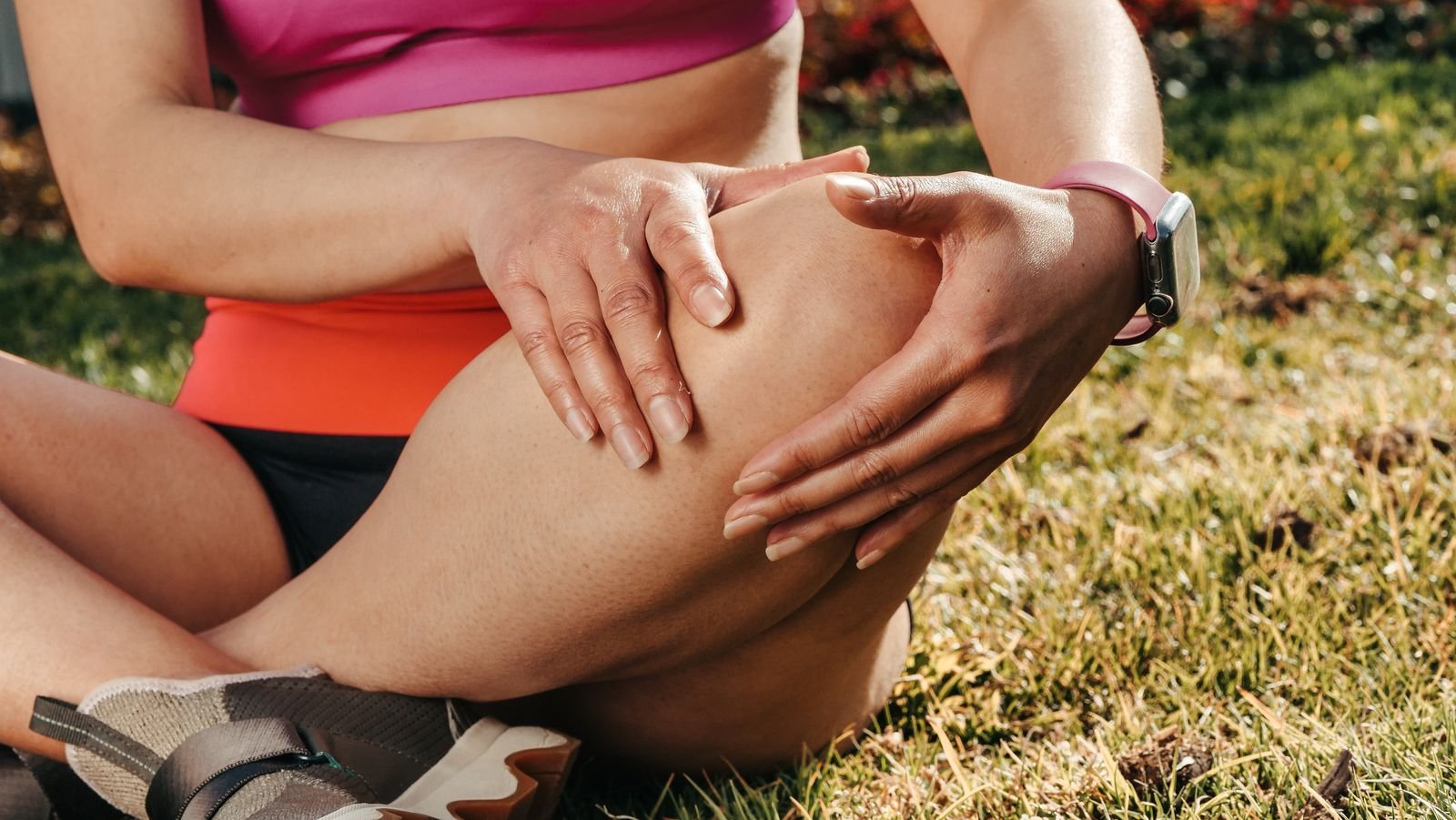
Why Parkour Is Hard on Knees
Every precision jump, drop and landing asks the muscles at the front of the thigh to absorb force through the kneecap and its tendon. That’s good for building strength when the load rises gradually. The trouble starts with sudden jumps in training: a new spot with lots of drops, a week of extra sessions or a return after a break. Our breakdown of parkour injuries by body part covers how often knees feature in the surveys that exist.
Common Causes of Knee Pain in Parkour
Pain Around the Kneecap (Patellofemoral Pain)
The American Academy of Orthopaedic Surgeons describes patellofemoral pain syndrome as pain in the front of the knee and around the kneecap. The most common symptom is a dull ache that comes on gradually and flares with stairs, running, jumping or squatting, or after sitting for a long time with the knees bent. The AAOS lists overuse, sudden increases in training and weak thigh and hip muscles among the causes.
Pain Just Below the Kneecap (Jumper’s Knee)
Jumper’s knee, or patellar tendinopathy, is pain in the tendon that runs from the bottom of the kneecap to the shin. The AAOS describes it as pain in the lower part of the kneecap caused by repeated strain on the tendon, most common in jumping sports such as basketball and volleyball.
In Kids and Teens: Osgood-Schlatter and Sinding-Larsen-Johansson
In growing children, the tendon attaches to growth plates, which are more easily irritated. The AAOS page on overuse injuries in children describes two common ones:
- Osgood-Schlatter disease: inflammation of the growth plate at the top of the shinbone, just below the knee, often with a tender bump there. Running and jumping make it worse. The AAOS says symptoms usually fade once the growth spurt ends, though the bump often remains.
- Sinding-Larsen-Johansson disease: the childhood form of jumper’s knee, where repeated stress irritates the growth plate at the bottom of the kneecap.
For both, the AAOS advises limiting or resting from sport until the pain settles, and warns that playing on through the pain can lead to a fracture. If your child does parkour and complains of pain below the knee, get it checked rather than pushing through. Our guide to what age kids can start parkour has more on training growing bodies.
When to See a Doctor
The AAOS page on common knee injuries notes that landing from a jump incorrectly can tear the ACL. Get your knee checked if you have:
- a pop and the knee giving way at the moment of injury
- severe pain, or swelling that comes up soon after an injury
- a knee you can’t move, or a new limp
- a knee that catches, locks or keeps feeling unstable
- pain that doesn’t improve after a few days of easing off, or keeps coming back
- pain below the knee in a child or teenager that lasts more than a few days
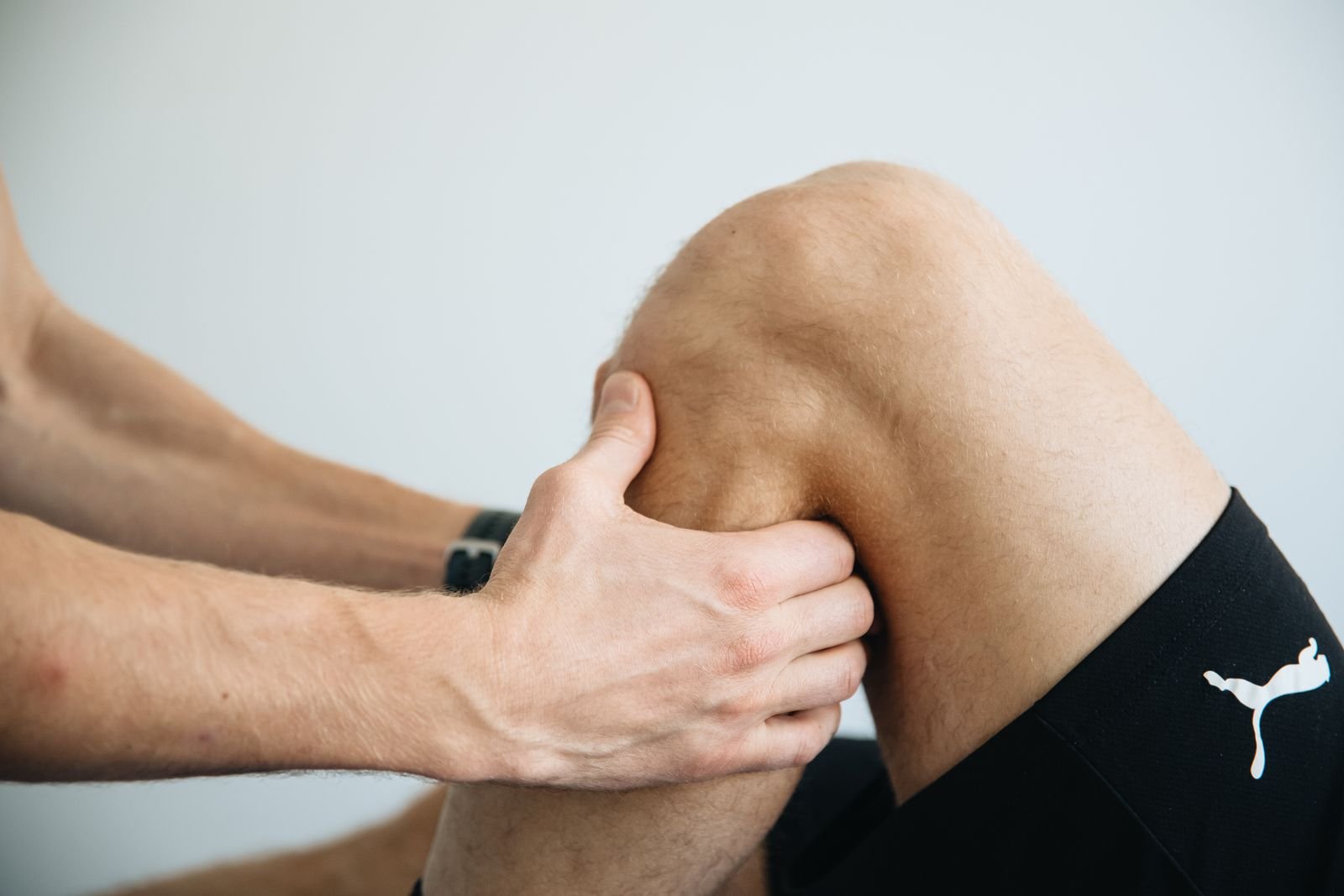
What the Evidence Says About Exercise
Strengthening is the usual first-line treatment for front-of-knee pain, but the research is weaker than many people assume. It’s worth knowing what it does and doesn’t show.
- Kneecap pain: a 2015 Cochrane review of 31 trials with 1,690 people found very low-quality but consistent evidence that exercise therapy may reduce pain and improve function. It found some very low-quality evidence that adding hip exercises to knee exercises may reduce pain more than knee exercises alone, and it couldn’t say which type of exercise is best.
- Jumper’s knee: a 2025 Cochrane review of 7 trials with 211 athletes was very uncertain whether exercise reduces pain compared with no treatment. It also found that exercise may make little or no difference to function compared with no treatment or a steroid injection.
In plain terms: strengthening is low-risk and sensible, and the AAOS recommends quadriceps and hip work for kneecap pain. But don’t expect it to work quickly or on its own. Managing how much jumping and landing you do matters just as much.
How to Keep Training With a Sore Knee
If your knee pain is the gradual, overuse kind and none of the warning signs above apply, you can usually keep training with some changes.
- Cut the impact first. Fewer drops, fewer precision jumps and smaller heights. The AAOS suggests swapping in low-impact activity such as cycling or swimming while things calm down.
- Keep the parts that don’t hurt. Upper-body work, bar skills, balance and quadrupedal movement usually keep going without trouble.
- Use pain as a guide. Mild discomfort that settles by the next day is a different signal from pain that builds during a session or lingers.
- Strengthen thighs and hips. Squats to a comfortable depth, step-ups, split squats and side-lying hip work, building gradually. A physiotherapist can set the right starting point.
- Land softly and quietly. Our landing progressions show how to build height back up step by step.
- Come back gradually. Reintroduce jumps and drops a little at a time over several sessions rather than going straight back to your old volume.
Preventing Knee Pain
- Increase training load gradually, especially new spots with lots of drops.
- Keep strength work for the legs and hips in your weekly routine.
- Warm up before jumping, and save big landings for when you’re fresh.
- Mix high-impact days with lower-impact ones.
- Look after your joints more broadly. Our guide to joint health in parkour covers the basics.
Frequently Asked Questions
Is parkour bad for your knees?
Not inherently. Like any jumping sport, it loads the knees, and that load builds strength when it rises gradually. Problems usually come from too much, too soon or poor landing technique.
Should I wear a knee brace or knee pads for parkour?
Knee pads protect the skin and kneecap from knocks on walls and the ground, but they don’t treat overuse pain. If you’re considering a brace or strap for tendon pain, ask a physiotherapist whether it suits your situation.
Should I stop parkour completely if my knee hurts?
Not usually for gradual overuse pain. Reducing impact while keeping the rest of your training is often enough. Stop and get checked if you have any of the warning signs listed above, and children with pain below the knee should rest from jumping until it settles, as the AAOS advises.
Where to Go Next
Rebuild your landings with our landing progressions from flat ground to height, and keep a parkour first aid kit in your bag for the knocks.