Good parkour hand care comes down to three habits: keep calluses filed smooth so they can’t catch and tear, moisturise regularly so your skin stays supple, and build up bar and wall work gradually. When the skin does tear, clean it, trim the loose flap, cover it, then give it a few days before you go back to heavy grip work. A file, a hand balm, some tape and a few hydrocolloid plasters cover almost everything.
This post contains affiliate links. As an Amazon Associate, we earn from qualifying purchases at no extra cost to you.
Quick picks: a skin file for calluses, Rhino Skin Repair Cream for overnight recovery and hydrocolloid blister plasters for when the skin breaks.
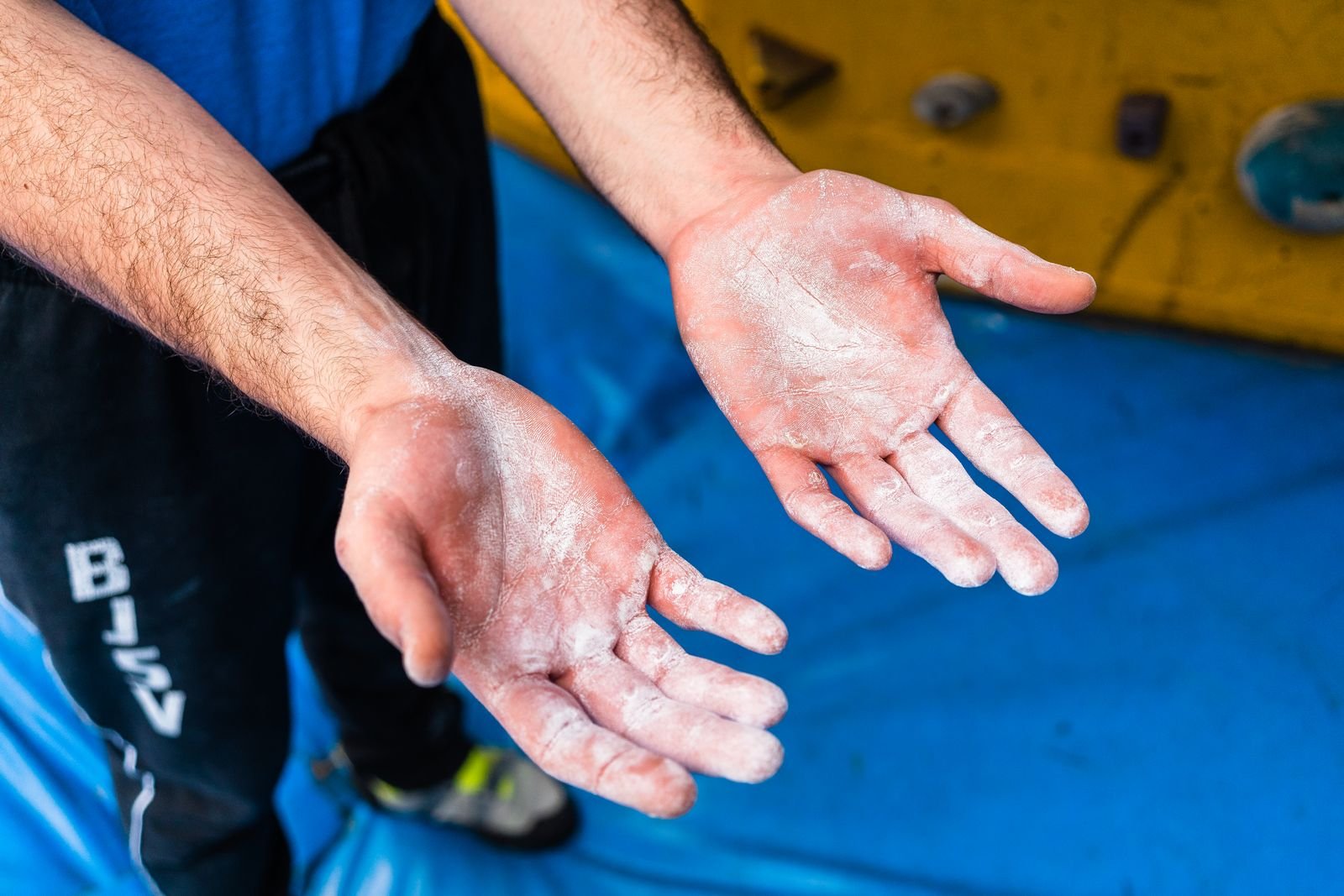
Why Parkour Is Hard on Hands
Parkour asks your hands to grip bars, push off rough walls, take weight on concrete and swing. Friction builds calluses, which protect the skin. But when a callus gets thick and ridged, it can catch on a bar during a swing and tear away, leaving a raw patch underneath. Climbers call it a flapper. Gymnasts and CrossFit athletes call it a rip. Either way, it can keep you off the bars for days.
How to Prevent Torn Skin
Most of this advice comes from “Stop Ripping Your Hands” by Eric O’Connor, CF-L4, published by CrossFit in February 2026, and skin care tips from physiotherapist James Walker on the Rhino Skin Solutions blog. Bar-heavy sports share the same problem.
- File calluses regularly. Keep them smooth and flush with the surrounding skin so they don’t build into ridges. A file or pumice stone after a shower, when skin is soft, works well.
- Trim small tears straight away. Walker recommends keeping on top of small tears and frayed skin before they catch. Small nail clippers do the job.
- Moisturise, especially at night. O’Connor notes that dry skin tears more easily. Walker calls moisturising the most important recovery habit and says the key time is before bed.
- Use chalk sparingly. O’Connor recommends chalk to keep hands dry, without letting it clump.
- Build volume gradually. O’Connor flags sudden jumps in high-rep bar work, and coming back after a break, as common triggers. The same goes for a long session of swings and laches after weeks away.
- Break up long sets. Shorter efforts with rests give the skin a break from constant friction.
- Consider tape or grips for high-volume bar days, and test them in training first.
How to Treat a Rip
These steps are based on O’Connor’s article, with our own first step added:
- Stop the session. Training on a fresh rip makes it bigger.
- Clean it. Wash with clean water and mild soap.
- Trim the loose flap. Use clean scissors or clippers to remove the dead skin so it can’t catch or tear further.
- Apply an antiseptic and cover it for the rest of the day.
- Let it breathe. Over the following days, leave it uncovered when you can, apply ointment and keep chalk and sweat away from it.
- Return carefully. Go back to bar work once the new skin is stable and pain-free, with lighter volume and extra protection such as tape.
Blisters Are Different
A blister is a bubble of fluid under the skin rather than a torn flap. The NHS advice on blisters is not to burst it yourself, not to peel the skin off a burst one, to keep it clean and to cover it with a soft plaster or dressing. The NHS notes that a hydrocolloid dressing can protect the blister, reduce pain and speed healing. The NHS says blisters often heal on their own within a week.
Get medical advice if the area becomes hot, more painful or swollen, the surrounding skin turns red, or you see yellow or green pus. Those can be signs of infection, which the NHS warns should not be ignored.
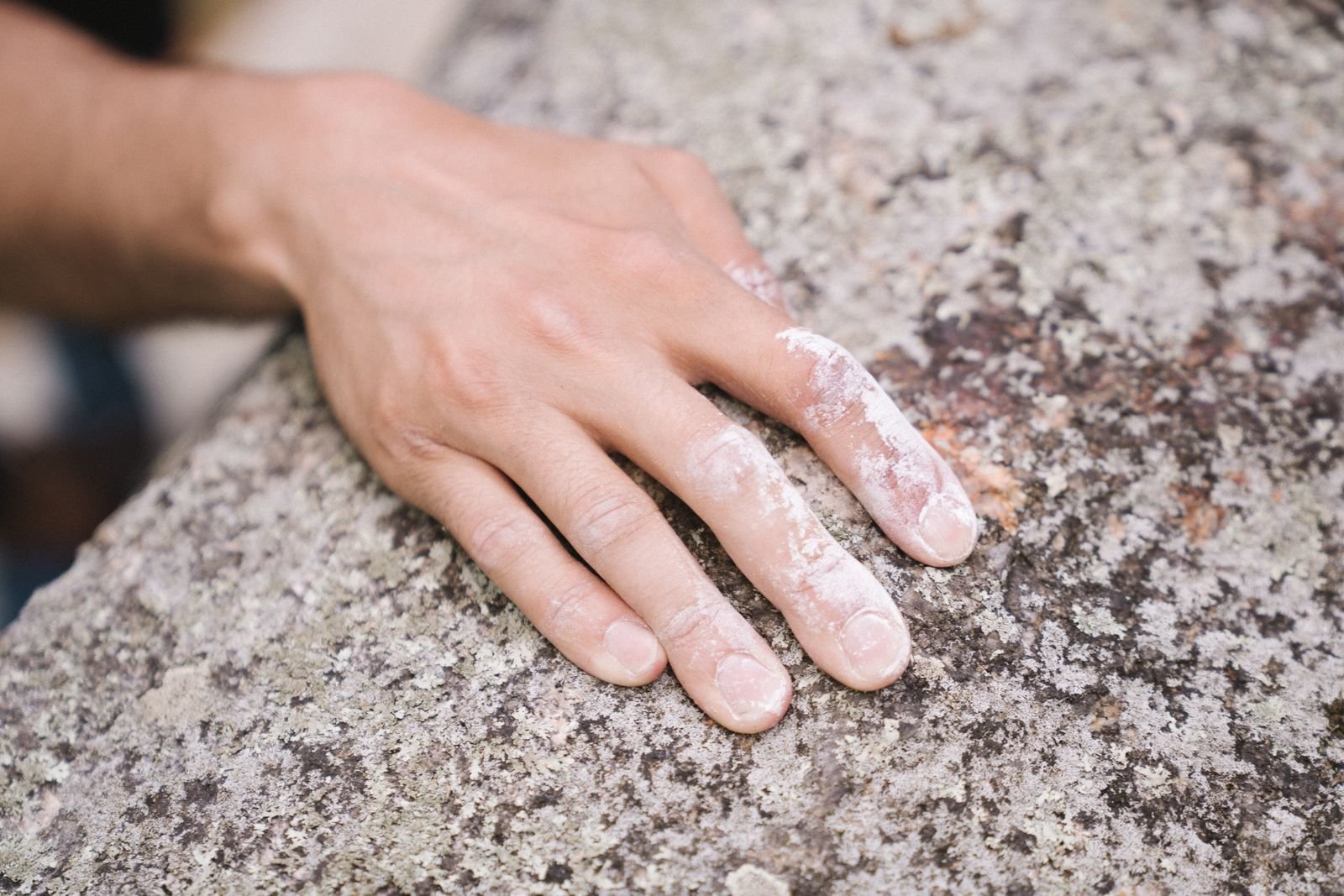
A Simple Hand-Care Kit
We haven’t tested these ourselves. Specs and claims come from each brand’s own product page.
A Skin File
- Who it suits: everyone who trains on bars.
- Why it’s worth a look: filing is the single most useful prevention habit. Climbing brands such as Friction Labs sell small metal skin files designed for the job, and a basic foot file or pumice stone works too.
- The catch: file to smooth, not to thin. Taking too much off leaves the skin tender.
Rhino Skin Solutions Repair Cream
- Who it suits: someone whose skin cracks and splits between sessions.
- Why it’s worth a look: Rhino describes a plant-based cream with honey, grape seed oil and willow bark, made for cracked and worn skin, and recommends applying it overnight for the most effect.
- The catch: it contains menthol, peppermint and several essential oils, so skip it if those irritate your skin, and keep it off open wounds unless the label says otherwise.
Climbskin Hand Cream
- Who it suits: someone who wants a light cream for daily use that Friction Labs says leaves less residue.
- Why it’s worth a look: Friction Labs sells it in a 1 oz jar and describes a water-based cream with shea butter, aloe and plant oils, free from artificial colours and perfumes.
- The catch: it was listed as pre-order on Friction Labs’ own store in November 2026, so check availability.
Hydrocolloid Blister Plasters
- Who it suits: anyone. Keep a few in your bag.
- Why it’s worth a look: the NHS notes that hydrocolloid dressings can protect a blister, reduce pain and speed healing.
- The catch: they need clean, dry skin around the wound to stick, and they’re not a substitute for medical care if a wound looks infected.
Athletic Tape
- Who it suits: someone protecting a healing patch on a bar-heavy day.
- Why it’s worth a look: Mueller sells 1.5-inch cotton tape with serrated edges to make it easier to tear.
- The catch: tape over a fresh rip can stick to it, so put a dressing underneath.
Frequently Asked Questions
Should I get rid of my calluses?
No. Calluses protect your hands. The goal is to keep them smooth and even with the surrounding skin, not to remove them.
Should I wear gloves for parkour?
Many traceurs train bare-handed for feel and grip, but gloves can help on very rough or cold surfaces. Our parkour gloves guide covers when they make sense.
How long does a hand rip take to heal?
It depends on the size and depth, so there’s no fixed timeline. O’Connor’s rule is to wait until the new skin is stable and pain-free before going back to heavy bar work.
Where to Go Next
Build hands that can handle more with our guide to grip endurance, train them on gymnastic rings, and add plasters and tape to your parkour first aid kit.