You can train parkour safely through winter if you change three things: warm up for much longer, dress in layers you can strip off, and lower your standards for grip and difficulty. Cold muscles are weaker and stiffer, cold rubber grips less, and bare skin on freezing metal can be damaged in seconds. Train shorter, lower and more carefully, and winter becomes a good season for technique and conditioning.
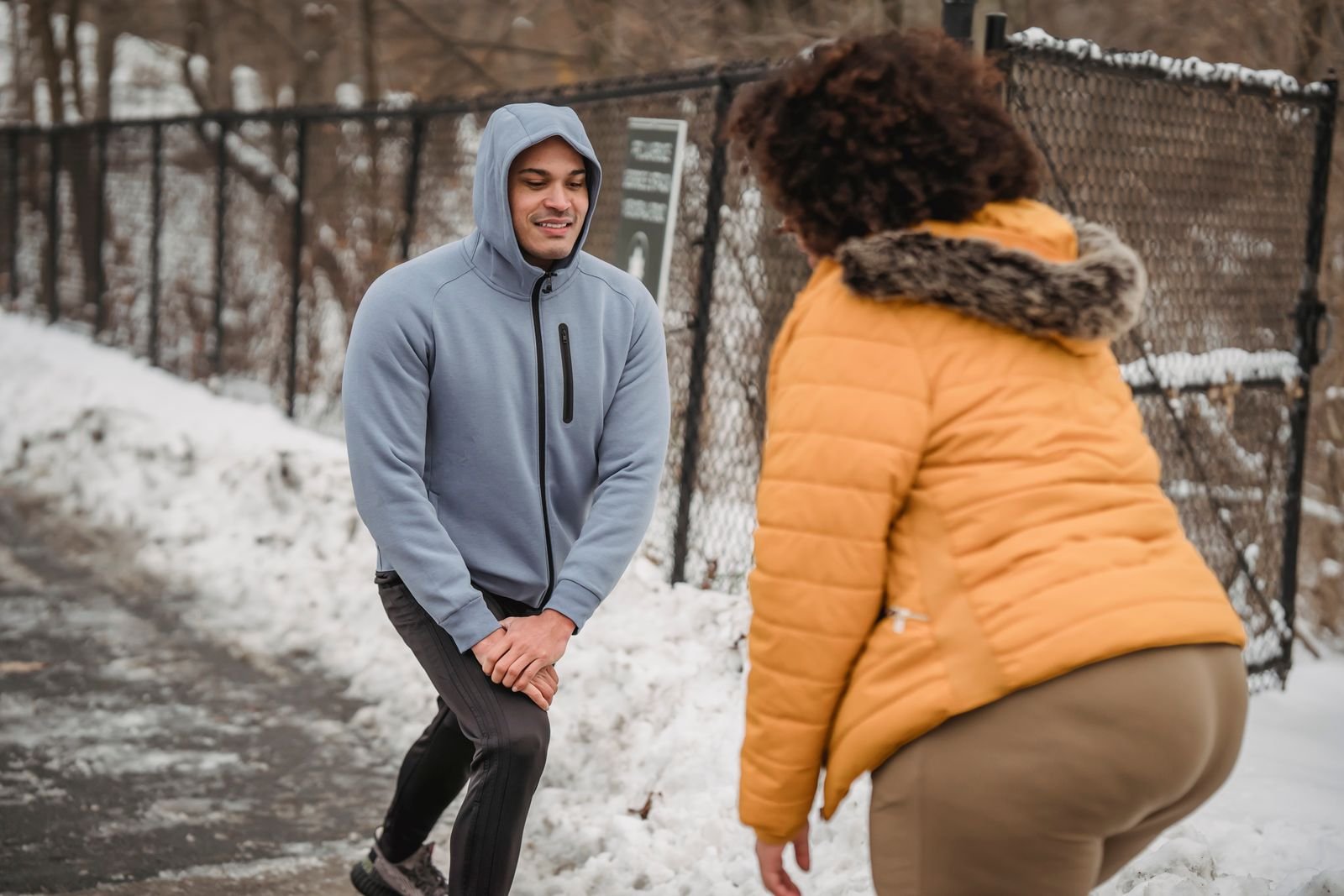
Why Cold Changes How You Should Train
Cold has a measurable effect on muscles. The American College of Sports Medicine reports that for every 1°C drop in muscle temperature, strength and power performance falls by 4 to 6%. Harvard Health adds that cold muscles are stiffer and fatigue more easily, which raises the risk of muscle and tendon injuries. In parkour, that means jumps that are easy in summer can come up short in January.
1. Warm Up Two or Three Times Longer
American Parkour’s winter training advice is to replace a normal 10-minute warm-up with something closer to 30 minutes. Start with jogging and quadrupedal movement, move through dynamic mobility, then do easy versions of the movements you plan to train. Keep moving between attempts too, because muscles cool quickly while you stand around. Our pre-training warm-up checklist works well, just with more time on each stage.
2. Dress in Layers
Sports medicine guidance agrees on three layers. Mayo Clinic Sports Medicine recommends a synthetic base layer that wicks sweat, a fleece or wool middle layer, and a breathable, waterproof outer shell, and removing layers as soon as you start to sweat. A good test from Mayo Clinic Health System: if you feel a little chilly at the start of your warm-up, you’ve probably dressed right.
Parkour-specific tips from coaches:
- Wool keeps working when wet. Parkour Visions recommends wool because it stays insulating even when damp, including wool socks.
- Keep your normal shoes. The Movement Creative suggests regular parkour shoes with heavy wool socks rather than boots.
- Avoid loose, long layers that can catch on rails or get under your feet on landings.
3. Protect Your Hands
This is the biggest winter hazard specific to parkour. The ACSM’s expert consensus on cold weather exercise warns that touching or gripping cold material can cause frostbite within a few seconds, and Mayo Clinic notes that bare skin touching freezing metal can freeze almost instantly. Rails and bars are the obvious risk.
- Wear gloves with grippy palms for bar and rail work. Parkour Visions suggests rubber-palmed gardening gloves as a cheap option.
- Keep warm mittens or a spare pair of gloves to put on between attempts.
- Stop if fingers go numb, white or waxy. Numbness is an early warning sign of frostnip.
For more on choosing gloves, read Parkour Gloves: Do You Actually Need Them?
4. Expect Less Grip
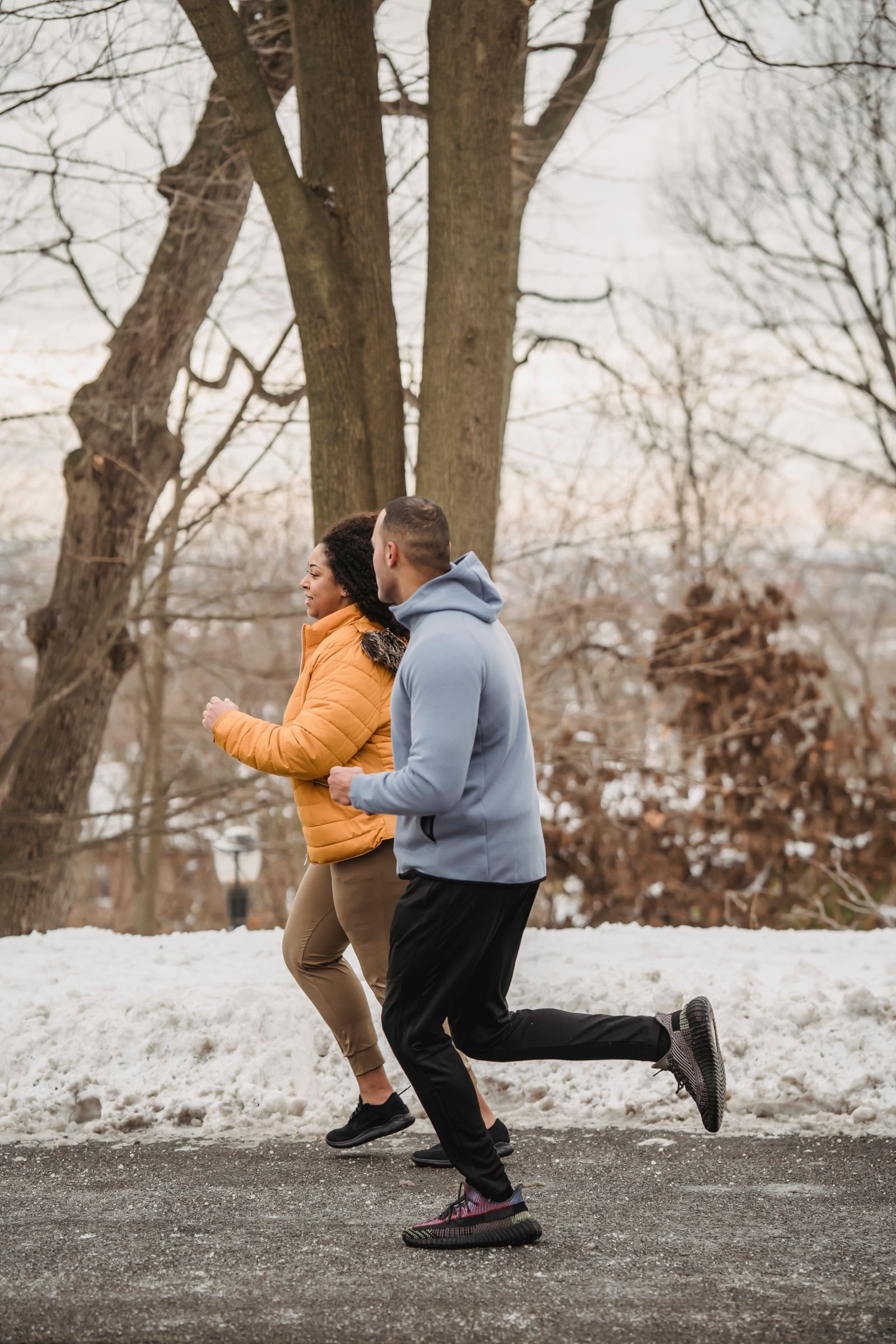
Shoe rubber changes in the cold. Climbing shoe rubber performs best at around 0 to 5°C, according to Climbing magazine, but below that it hardens and moulds less well to the surface. A rubber designer told Gripped that many rubbers harden and lose friction in freezing temperatures. Those are climbing rubbers, but parkour soles are rubber too.
The surfaces are worse as well. Frost on metal and stone is hard to see, and American Parkour warns about snow that melts and refreezes as chunks of ice. Test every surface with your foot and hand before trusting it, as covered in The Science of Parkour Grip.
5. Lower the Difficulty
The Movement Creative’s advice is simple: don’t hold yourself to midsummer standards. Winter is a good time for low, technical work and conditioning:
- Balance and rail walking on dry, low rails
- Precision jumps at short distances
- Quadrupedal movement and strength work
- Indoor sessions at a gym, or the 30-day home training plan on the worst days
Save maximum jumps and new, committing movements for warmer days.
6. Drink Even When You’re Not Thirsty
Cold reduces thirst by up to 40%, according to Froedtert & Medical College of Wisconsin, but you still lose fluid through sweat and breathing. Mayo Clinic Sports Medicine recommends drinking before, during and after exercise even if you don’t feel thirsty.
When to Stay Inside
Mayo Clinic Sports Medicine suggests considering a break when temperatures drop below minus 18°C (0°F), and warns that at wind chills below minus 28°C (minus 18°F), frostbite can occur on exposed skin in 30 minutes or less. Check the wind chill, not just the temperature: the US National Weather Service wind chill chart shows how quickly wind makes cold more dangerous. Ice everywhere is also a good reason to train indoors.
Frequently Asked Questions
Is it bad to do parkour in the cold?
No, as long as you warm up properly, keep your hands protected and lower the difficulty. Most injury risk in winter comes from cold muscles and slippery surfaces, and both are manageable.
Should I wear gloves for winter parkour?
For anything involving metal rails or bars, yes. Choose gloves with grippy palms so you don’t lose hold of the bar.
Can I train parkour in the snow?
Fresh snow on grass can be fun for low drills and rolls. Snow on hard surfaces hides ice and edges, so avoid jumps and vaults on it.
Where to Go Next
Pack for winter sessions with What to Look For in a Parkour Backpack, and keep your hands in shape with How to Build Grip Endurance.