This post contains affiliate links. As an Amazon Associate, we earn from qualifying purchases at no extra cost to you.
For parkour training, the best pull-up bar is a wall-mounted one with enough clearance from the wall for muscle-ups, because that’s the movement you’ll eventually need for getting on top of walls and rails. If you can’t drill, a doorway bar is fine for dead hangs and strict pull-ups, and a freestanding tower works if you rent. Multi-grip bars add neutral grips, which are easier on the elbows, but grip variety matters less than a solid mount.
We haven’t tested these bars ourselves. The picks below are based on published specifications and on hands-on testing by independent reviewers at BarBend and Garage Gym Reviews.
What Actually Matters for Parkour
- Clearance from the wall. Strict pull-ups work on almost anything. Muscle-ups and kipping need your body to swing forward without hitting the wall, which means a bar that sits well out from it.
- A mount you trust. Wall and ceiling bars bolted into studs or joists are the sturdiest. Doorway bars depend on your door frame.
- Weight capacity. Dynamic movements load a bar far more than your bodyweight hanging still, so leave a generous margin.
- A round bar you can hang from comfortably. Dead hangs build the grip endurance that bar movements and wall hangs rely on.
1. Titan Fitness Wall-Mounted Pull-Up Bar: Best for Muscle-Up Training
BarBend rates this its best bar for kipping pull-ups, and the reason is depth: it sits 34 inches out from the wall, leaving room to swing through dynamic movements. It’s made from 11-gauge steel with a stated 500-pound capacity. The trade-offs are a single straight bar with no neutral grips, and mounting hardware that isn’t included, so you’ll need suitable bolts for your wall.
Check the Titan Fitness Wall-Mounted Pull-Up Bar on Amazon
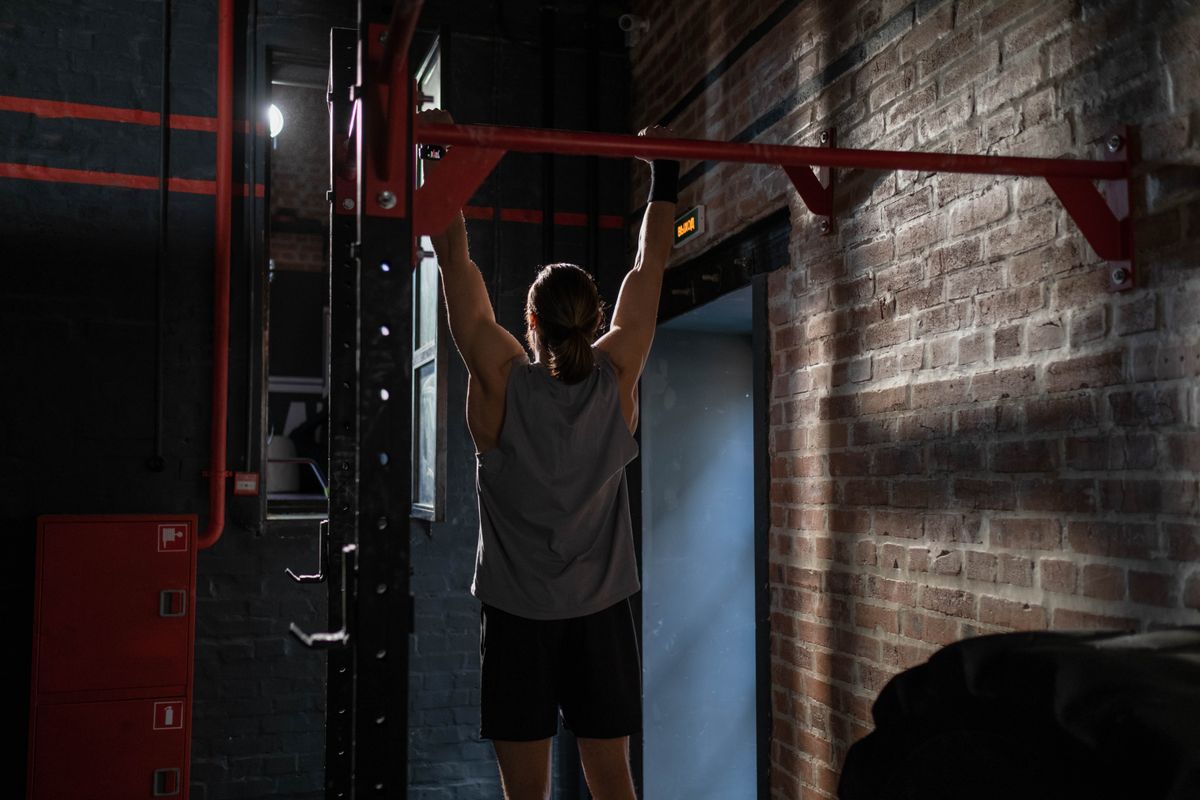
2. REP Fitness Wall-Mounted Multi-Grip Pull-Up Bar: Best Multi-Grip
The top overall pick from both BarBend and Garage Gym Reviews. It offers straight, angled and neutral grips, a stated 700-pound capacity, and a lifetime warranty. The catch for parkour is depth: at 21.5 inches it sits much closer to the wall than the Titan, which limits muscle-up practice. Choose it if grip variety and strict pulling matter more to you than dynamic movement.
REP sells this direct rather than through Amazon, so there’s no affiliate link here. REP Fitness’s own site is the place to look.
3. Iron Age Door Pull-Up Bar: Best Doorway Bar
BarBend’s pick for doorways: no drilling, removable, multiple foam-covered grips, and a stated 440-pound capacity. It won’t fit every door frame, so measure yours first, and the foam grips wear over time. Like other doorway bars, it’s for hangs and strict pull-ups, not kipping or muscle-ups.
Check the Iron Age Door Pull-Up Bar on Amazon
4. Sportneer Pull-Up Bar: Best Budget Option
A no-hardware doorway bar with a bubble level included for setup. It’s BarBend’s budget pick. The important caveat is that its capacity drops in wider door frames, so check the rating for your specific width before you hang from it.
Check the Sportneer Pull-Up Bar on Amazon
5. Flybird Power Tower: Best If You Can’t Drill
A freestanding tower that needs no mounting at all, with adjustable height and stations for dips and knee raises, which are useful for the core and pushing strength parkour also needs. The downsides are floor space and height, and limited grip options on the bar itself.
Check the Flybird Power Tower on Amazon
Portable and Travel Pull-Up Bars
If you move around or can’t leave a bar up permanently, Calisthenics 101’s guide to portable bars breaks them into three types:
- Portable racks. Freestanding frames that assemble and come apart quickly. The guide rates them the sturdiest and safest portable option, but they weigh around 19 kg and some are rated for users up to 110 kg, so check the limit against your weight.
- Telescopic doorway bars. Light (around 1.2 kg for one model in the guide) and easy to pack, but the guide warns that door frames or the plaster around them can crack.
- Tree-mounted bars. Strap or clamp onto a branch in the park. Check the branch carefully, and don’t leave steel bars outside, where they rust.
Remember that the outdoors is full of free bars too: playgrounds, outdoor gyms and railings. See Where to Practice Parkour.
How to Use a Pull-Up Bar for Parkour
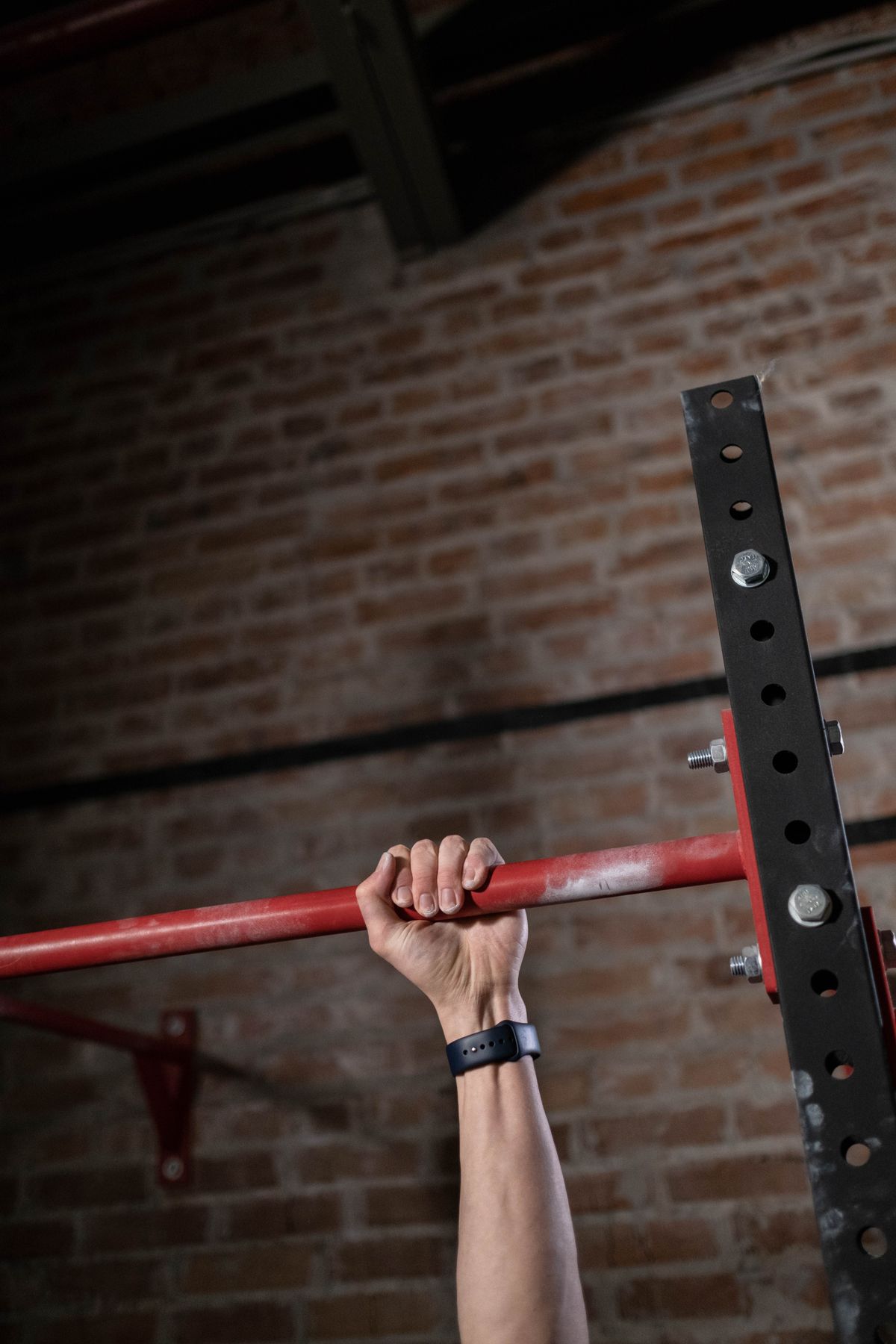
- Dead hangs for grip endurance, the base for every bar movement.
- Strict pull-ups for the pulling strength behind climb-ups and cat leap exits.
- Muscle-up progressions on a bar with enough clearance, since getting over the top of a wall is essentially the same movement.
- Hanging knee raises for the core strength that keeps you controlled on a bar.
Frequently Asked Questions
Can I do muscle-ups on a doorway pull-up bar?
No. Doorway bars sit against the frame and aren’t built for the swinging, pulling-over motion of a muscle-up. For that you need a wall, ceiling or freestanding bar with room to move.
Is a multi-grip pull-up bar worth it for parkour?
It’s a nice extra rather than a requirement. Neutral grips are easier on the elbows and add variety, but most parkour-specific bar work uses a straight overhand grip, so a solid mount and good clearance matter more.
Will a doorway bar damage my door frame?
It can, particularly on weak or decorative trim. Check the bar fits your frame properly, stay within the stated weight rating for your door width, and avoid swinging on it.
Where to Go Next
Put the bar to work with How to Build Grip Endurance Beyond Just Pull-Ups, then take it outside with Palm Spins and Lache: Intro to Bar Movements. For assisted pull-ups, see the best resistance bands for parkour conditioning.