Parkour can work well for adults over 50, as long as it’s the adapted version: balance, learning to fall safely, getting up from the ground, and small controlled impacts, not jumping between rooftops. Dedicated parkour classes for seniors already run in the United States for people in their 60s to 80s. The research is still early, but what exists suggests the adapted version is safe and can improve balance.
Why Parkour Skills Fit Aging So Well
The case starts with falls. According to the CDC, more than 14 million older adults in the US, about 1 in 4, report a fall every year, and falls are the leading cause of injury deaths among people aged 65 and over.
Parkour was originally described as the art of displacement, moving through your environment efficiently and safely. For a 70-year-old, that doesn’t mean vaulting a wall at speed. It means keeping your balance on an uneven pavement, knowing how to land if you do go down, and having the strength to get back up afterwards. Those are exactly the skills an adapted parkour class trains.
What a Seniors Parkour Class Actually Looks Like
A 2026 report from Wisconsin Watch describes Parkour for Seniors classes run by a community recreation program in Madison for adults aged 50 and over, with most participants in their 60s to 80s and one aged 89. The drills are far from dramatic: balance work on narrow wooden planks, heel-to-toe walking, knee lifts, sit-to-stands, side steps and calf raises, plus movement on playground equipment.
One participant summed up the benefit as no longer being afraid of falling, because she now knew how to fall. That confidence matters. Fear of falling often makes people move less, which weakens them and makes a fall more likely.
What the Research Says, Honestly
Direct research on parkour for older adults is limited. A study in Studia Sportiva put 20 older adults through a 10-week modified parkour program of obstacle drills and fall technique under professional instruction. Their reach, a common balance measure, improved significantly. Changes on the walking and mobility tests were small, and the authors concluded the approach needs more research.
That’s a modest result, and worth stating as one. The stronger evidence is for the individual skills parkour trains, covered below.
The Four Skills That Matter Most After 50
1. Balance
Start on a line on the floor, then a plank lying flat on the ground, then a low curb. Look ahead rather than at your feet, keep your knees soft, and only raise the height once the current level feels easy. The same progression traceurs use is set out in Rail and Ledge Walking: Building Real Balance.
2. Falling Safely
Fall technique is taught on mats, starting from a kneeling or seated position, with an instructor. The goal is to spread the impact across a larger area of the body rather than catching yourself on a straight arm or landing on a hip. This is the one skill most worth learning in a class rather than alone.
3. Getting Up From the Floor
The ability to sit down on the floor and stand back up is a surprisingly strong health marker. In a study of 2,002 adults aged 51 to 80, those who scored lowest on a sit-and-rise test had 5 to 6 times the risk of death over the following six years compared with the highest scorers. That’s an association rather than proof that practising the movement extends life, but the strength and mobility it reflects are trainable.
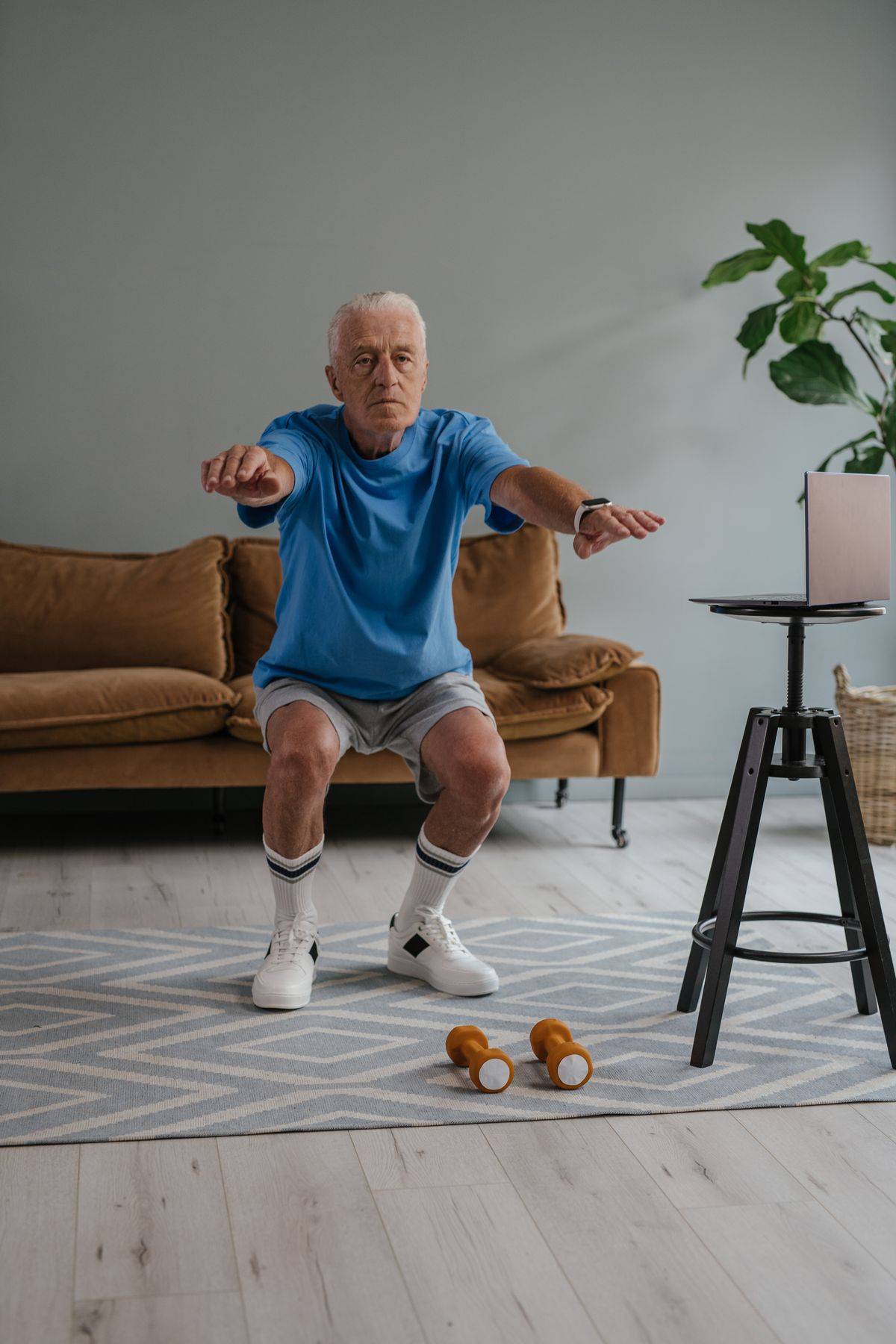
Sit-to-stands from a chair, squats, and crawling on hands and knees all build toward it.
4. Controlled Impact for Bone Strength
Bone responds to load, and supervised impact can help even when bone density is already low. In the LIFTMOR randomized controlled trial, 101 postmenopausal women with low bone mass, average age 65, trained for eight months. Those doing supervised twice-weekly heavy lifts plus jumping chin-ups with drop landings saw lumbar spine bone density rise 2.9%, while the control group’s fell 1.2%. Only one minor adverse event was reported, a back spasm.
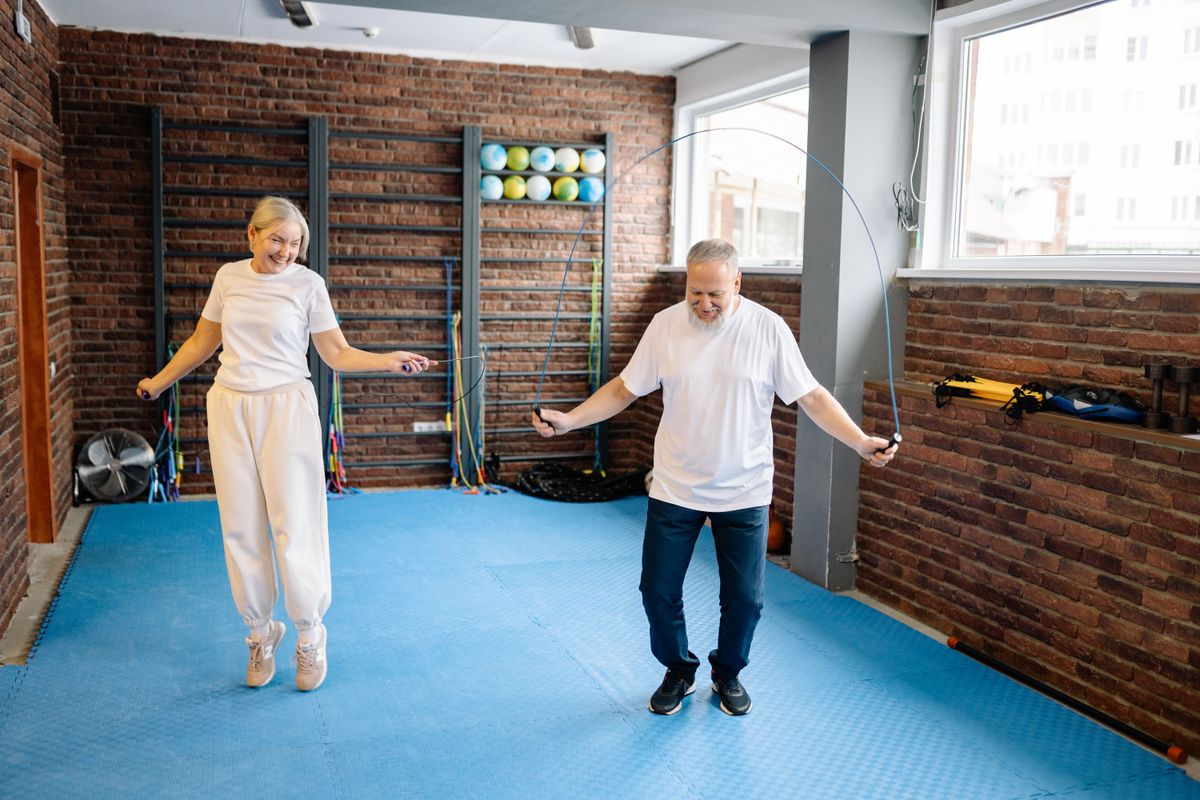
The key word is supervised. That program was run by qualified staff with careful progression, and it isn’t a licence to start jumping off walls. In parkour terms, the starting point is small hops and stepping down from a low curb with a quiet, bent-knee landing.
How to Start
- Talk to your doctor first, especially if you have osteoporosis, joint replacements, heart conditions or a history of falls.
- Find a class or coach if you can. Search for parkour for seniors, adaptive parkour, or fall prevention programs locally.
- Start on the ground: balance, crawling and getting up and down before anything with height.
- Progress one thing at a time: a step vault over a low wall, then small hops, adding height only when the current level feels easy.
- Train two or three times a week with rest days between, rather than every day.
Frequently Asked Questions
Am I too old to start parkour?
Probably not. Seniors classes regularly include people in their 70s and 80s. What changes with age is the version of parkour you do and how slowly you progress, not whether you can start.
Is parkour safe if I have osteoporosis?
Only with medical clearance and supervision. Carefully progressed impact training has been used safely in women with low bone mass, but falls are riskier with fragile bones, so this isn’t something to experiment with alone.
Do I need a class, or can I train at home?
Balance, sit-to-stands and crawling are fine at home. Learning to fall and anything involving height are much better learned with an instructor, at least at first.
Where to Go Next
For the joint side of the question, read Is Parkour Bad for Your Joints?, and for the basics that apply at any age, How to Start Parkour Safely.
Pingback: Is Parkour Bad For Your Joints? 5 Points From The Research