Training parkour solo is genuinely riskier than training with others, real injury survey data backs this up directly, but it’s not something you need to avoid entirely. The fix is building in the specific safeguards a coach or training partner would normally provide, not just training carefully and hoping for the best.
The Real Risk, Backed by Data
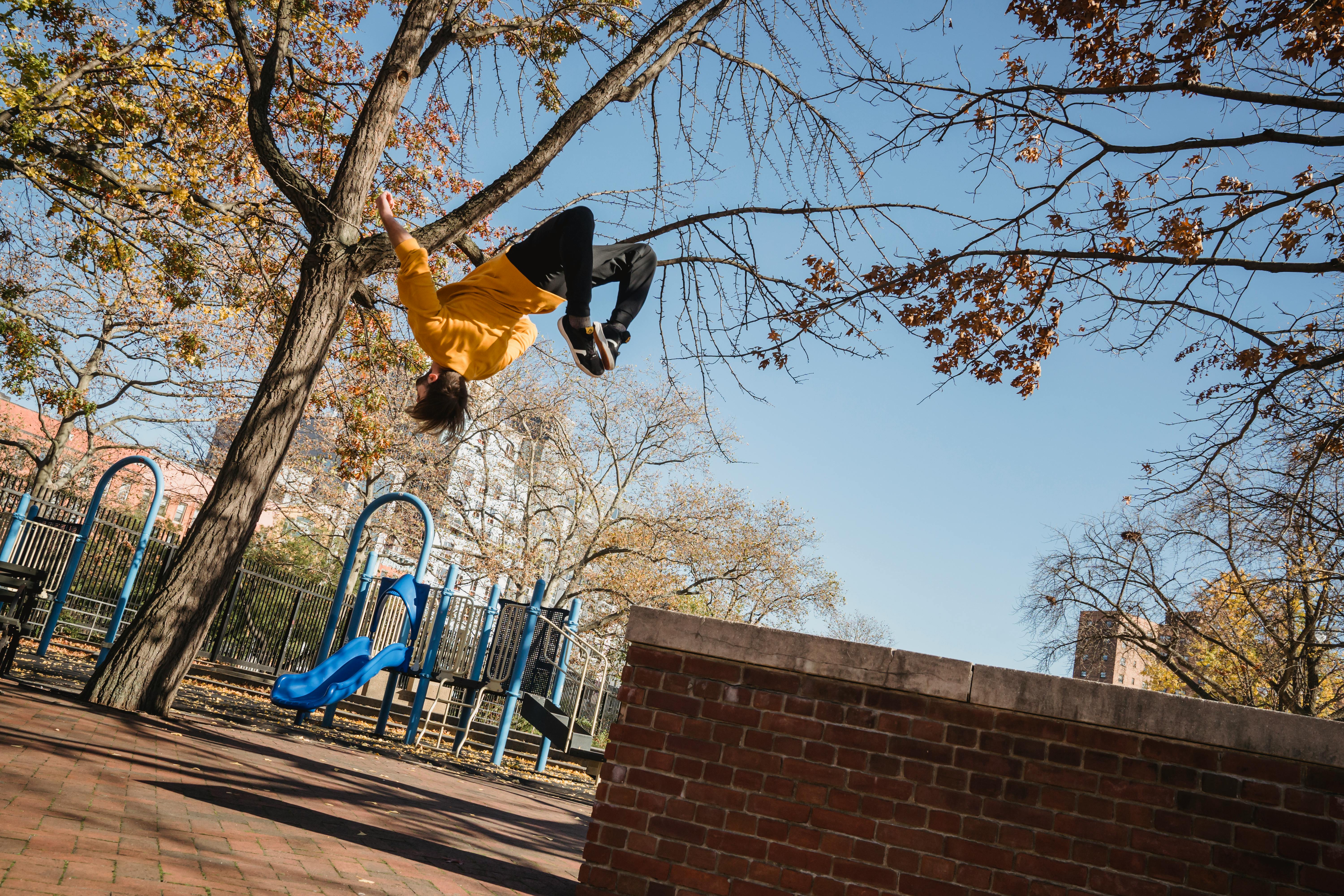
A parkour injury survey found injuries were more likely to happen while training outside or alone than indoors or with a group. That’s not a reason to abandon solo training, plenty of traceurs train alone regularly and safely, but it does mean solo sessions need deliberate compensation for what a training partner or coach would normally catch: a second pair of eyes on your form, someone to call for help if something goes wrong, and social pressure that naturally discourages reckless decisions.
Tell Someone Your Plan
Before every solo session, tell someone where you’re training and roughly when you’ll be done. This costs nothing and directly addresses the single biggest risk of training alone, if something does go wrong, someone actually knows to check on you.
Film Yourself
Set up your phone and record your sessions, especially anything new or height-related. This substitutes for a coach’s eyes in two ways: you can review your own form afterward to catch issues before they become injuries, and if something does go wrong, you have a clear record of what happened.
Set a Hard Rule on New Moves
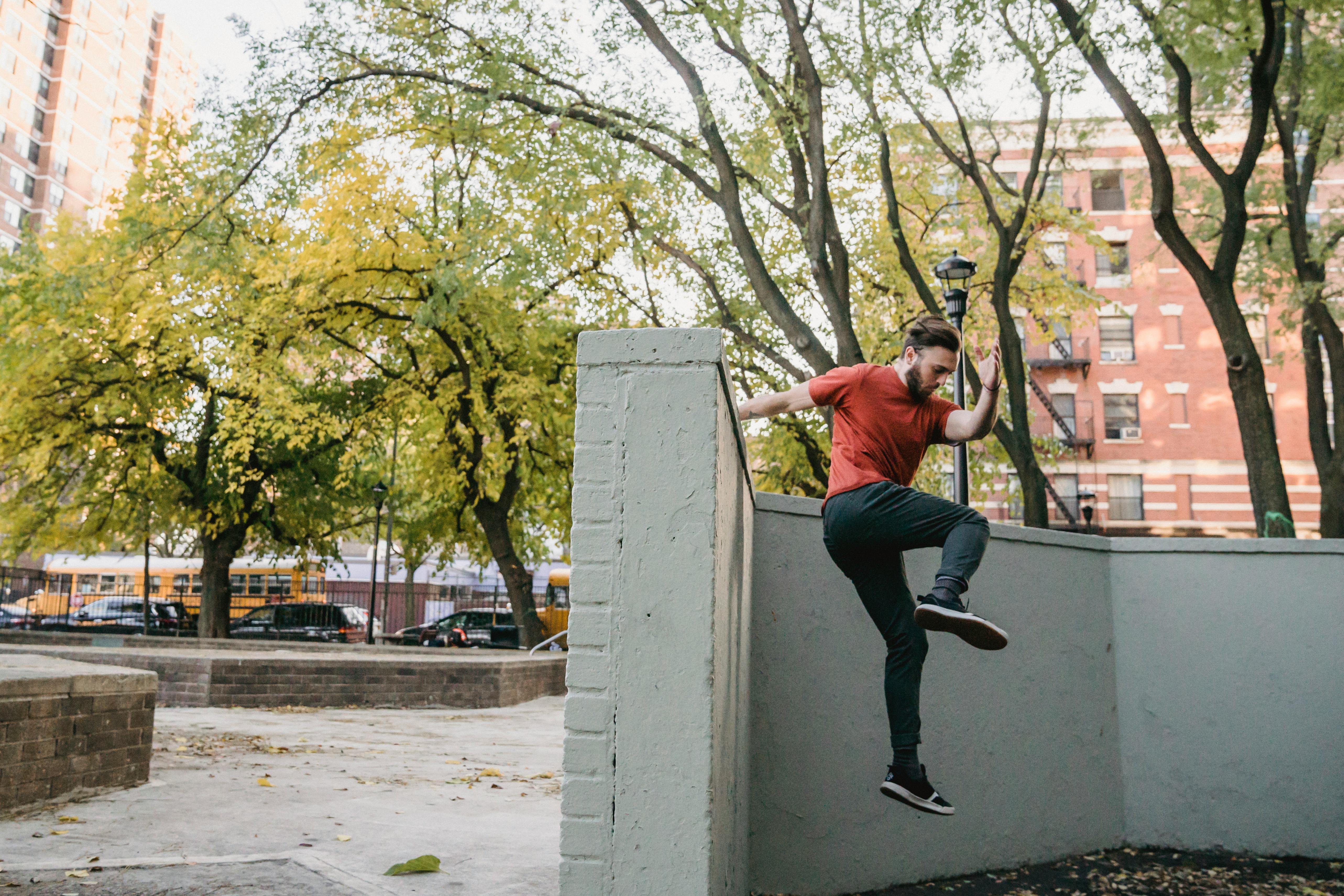
Never attempt a genuinely new movement, especially anything involving real height, for the first time alone. Practice new techniques at a class, a jam, or with a training partner first, then refine them solo once you’ve already built the base competence with someone else present.
Train Somewhere You’re Not Isolated
A public park with other people around, even strangers unrelated to your training, is meaningfully safer than a completely deserted lot. You don’t need company specifically, you need the possibility that someone would notice if something happened.
Be Honest With Yourself About Ego
Without a coach or partner to check your judgment, you’re the only one deciding whether a move is actually appropriate for your current skill level. Build in your own version of that check: if you wouldn’t attempt this move in front of an experienced traceur without hesitation, that’s a real signal, not something to push through alone.
Frequently Asked Questions
Is solo training actually more dangerous, or does it just feel that way?
Real survey data confirms it’s not just a feeling, injuries are genuinely more likely during solo or outdoor training than group or indoor sessions. The gap is real, but manageable with the right precautions.
Should beginners avoid solo training entirely?
Beginners specifically benefit from as much group or coached training as possible early on, since judgment about what’s actually safe takes real experience to develop. Solo sessions are lower-risk once you’ve built that judgment through supervised practice first.
What’s the single most important solo training habit?
Telling someone your plan before you start. It’s the simplest habit on this list and directly addresses the worst-case scenario, being genuinely alone if something goes wrong.
Want More Guides Like This?
Get one practical parkour training tip in your inbox each week, no spam, unsubscribe anytime.
Where to Go Next
Solo training pairs directly with real risk awareness. Read next: Common Parkour Injuries by Body Part and Where to Practice Parkour.
Pingback: How To Choose A Parkour Coach: Qualifications And Red Flags
Pingback: Do You Need A Helmet For Parkour? An Honest Answer