Most traceurs don’t wear a helmet, and you don’t need one for standard parkour training. Head injuries make up a small share of parkour injuries in the surveys that exist, and none of the major parkour gear guides list a helmet as essential. A helmet does make sense in a few specific situations: learning flips, training at real height, and any class or gym that requires one.
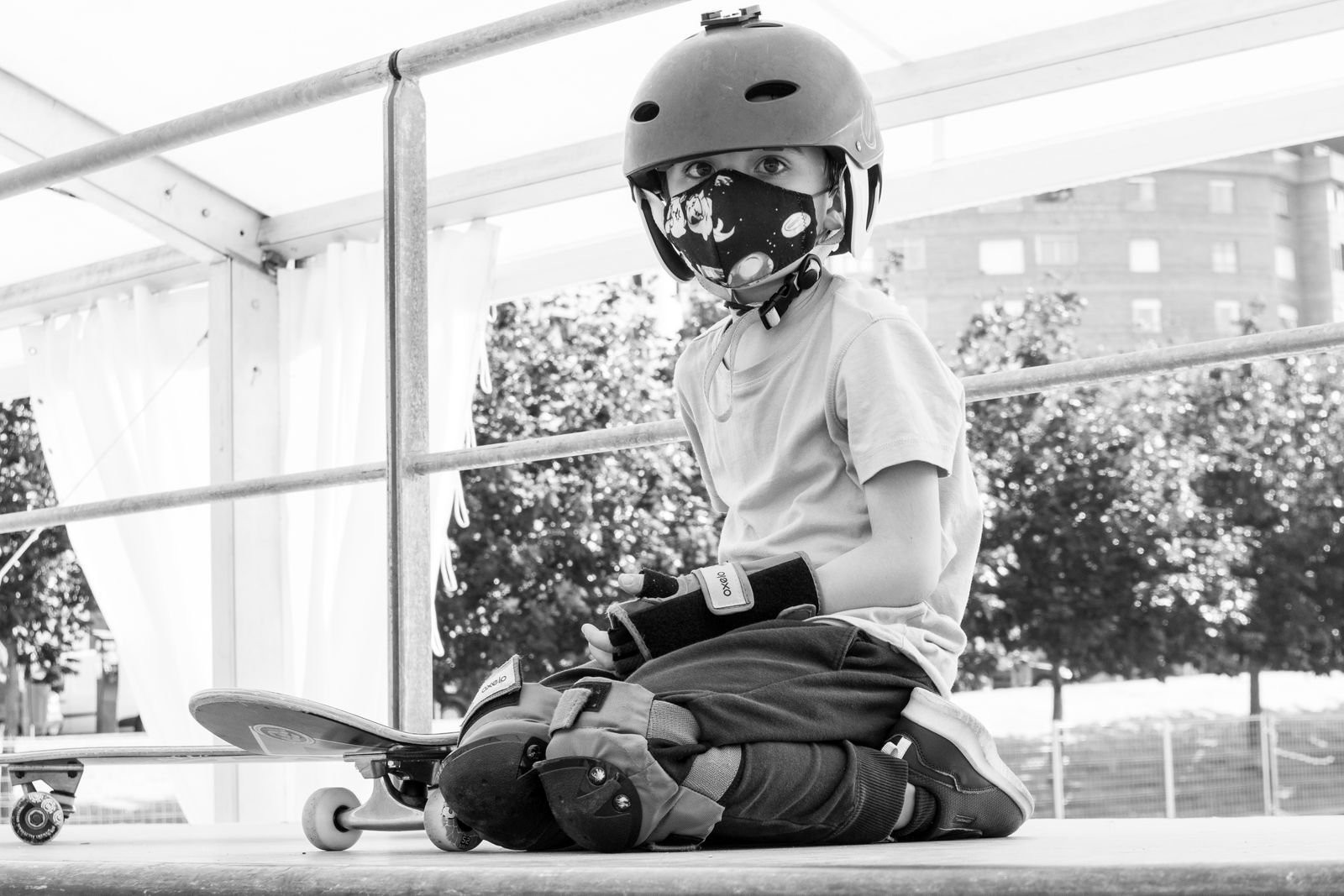
What the Injury Data Says About Heads
Parkour injuries are mostly leg injuries. In a survey of 91 practitioners, the lower limbs accounted for 57.1% of injuries and the head for 5.3%. A larger informal survey of 239 traceurs by a physical therapist found a similar picture: head, neck and upper back together made up 5.7% of reported injuries, while ankles, feet and knees dominated.
Emergency room data points the same way. A study of US emergency department visits from 2009 to 2015 found that most parkour injuries came from landing or striking objects, and that more than half (57.7%) affected the arms and legs.
None of this means head injuries can’t happen. It means the biggest gains in safety come from what protects your legs: landing technique, progression and conditioning. Those are covered in Landing Progressions: From Flat Ground to Height and Common Parkour Injuries by Body Part.
What Parkour Organisations Recommend
Helmets simply don’t appear on the standard lists. Parkour.com’s gear guide and American Parkour’s recommended equipment article focus on shoes, clothing and water, and neither lists head protection. The parkour approach to safety is built on control: training movements low and repeatedly before taking them anywhere they could hurt you.
When a Helmet Does Make Sense
- Learning flips. Freerunning acrobatics are where an uncontrolled fall onto your head becomes realistic. Learn them on mats and in a gym first, and a helmet is a sensible extra while you’re still inconsistent.
- Training at height. Anything where a fall means dropping from well above head height raises the stakes. The better answer is usually not to train there yet, but if you do, protection is reasonable.
- When your gym or class requires it. Some programmes, particularly for younger kids, set their own gear rules. Follow them.
- Coming back from a head injury. Get medical clearance first, and ask your doctor or physio about protection as part of your return.
If You Buy One, Pick the Right Type
Helmets are built for specific activities. The US Consumer Product Safety Commission’s guide Which Helmet for Which Activity? explains that bike helmets are designed to handle a single fall, while skateboard helmets (certified to ASTM F1492 or Snell N-94) are built for the repeated, lower falls that practice involves. For parkour, a skate-style helmet is the closer match.
- It should sit level and not move in any direction when you shake your head.
- Replace it after any serious impact, even if it looks undamaged.
- Keep it low profile, so it doesn’t catch on rails or walls.
One limit worth knowing: the CDC’s HEADS UP programme is clear that no helmet is concussion-proof. A helmet reduces the severity of some impacts. It doesn’t replace good judgement.
Does a Helmet Make You Take More Risks?
It’s a common argument against protective gear, but the evidence is weaker than people assume. A systematic review of helmet use in cycling found little to no support for the idea that helmet wearers ride more riskily. There’s no equivalent research for parkour. The more practical concern is the one coaches raise about all padding: if gear makes you attempt something you couldn’t do safely without it, the problem is the progression, not the helmet.
Frequently Asked Questions
Do professional traceurs wear helmets?
Rarely, in normal training. You’ll see helmets more often during flip practice, stunt work and in some kids’ programmes.
Should kids wear a helmet for parkour?
Follow the class or gym’s rules, since they vary. For unsupervised play involving height or flips, a skate helmet is a reasonable choice.
Can I use a bike helmet for parkour?
It’s better than nothing for a one-off, but bike helmets are designed for a single crash. A skate helmet certified for multiple impacts suits repeated practice better.
Where to Go Next
For the skills that prevent most injuries, start with How to Start Parkour Safely and How to Train Parkour Solo, Safely.