This post contains affiliate links. As an Amazon Associate, we earn from qualifying purchases at no extra cost to you.
Kids don’t need specialist parkour shoes. A good pair of everyday trainers works if it has a flat rubber sole that grips, fastens securely so the foot can’t slide around, and leaves a little room to grow. Avoid thick foam running soles, slip-ons and anything loose. Simple canvas or suede trainers with a rubber sole, from brands like Vans, Puma and Converse, cover most children well.
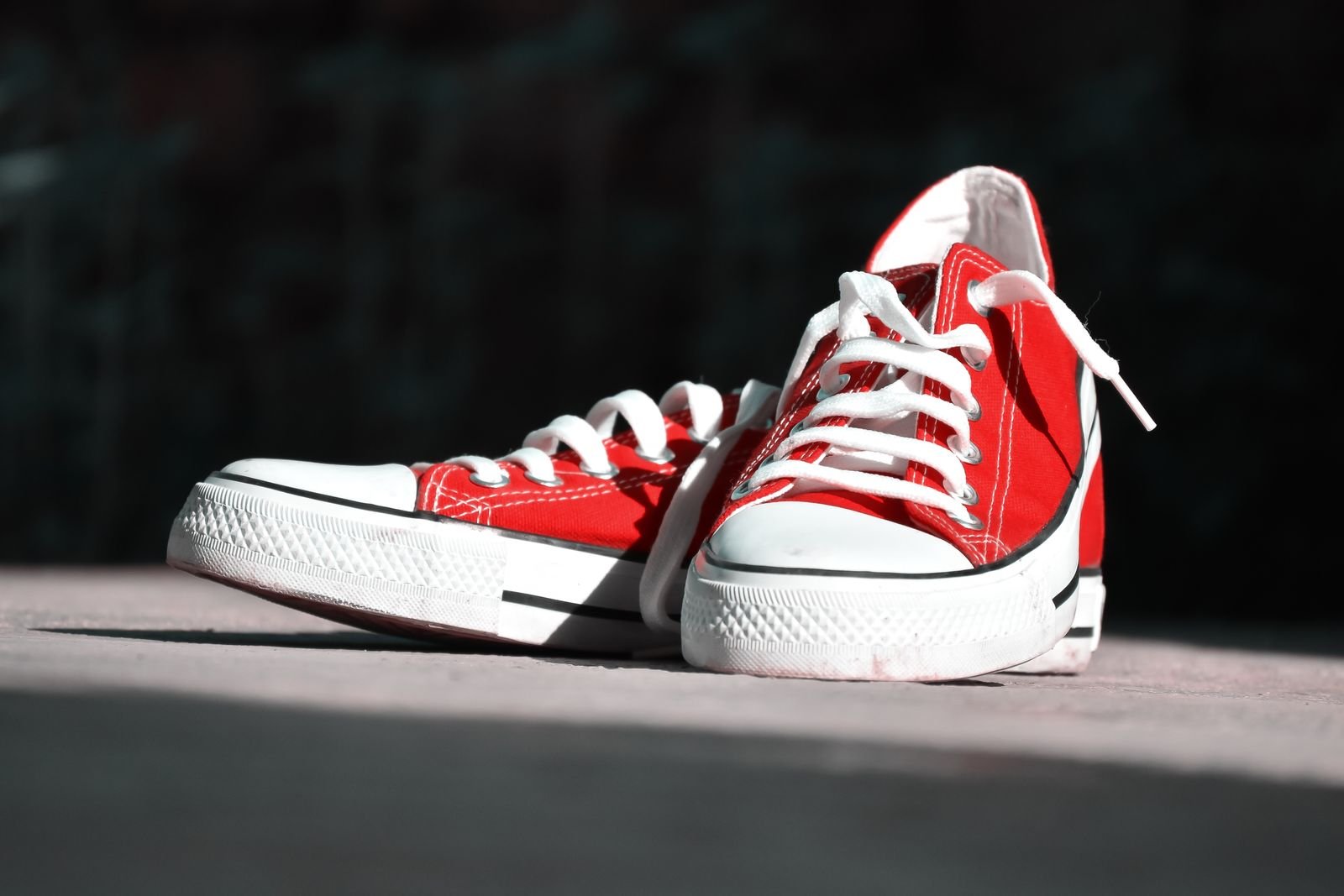
What Makes a Good Parkour Shoe for a Child
The same things that matter for adults matter for kids. Parkour UK’s shoe guide says shoes with flat, solid, one-piece rubber soles are best for grip, and advises against foam soles, which wear away quickly outdoors. It also warns that very flexible mesh may not hold the foot securely. Parkour UK adds that parkour shoes don’t have to be expensive.
- A flat rubber sole. Children’s Wisconsin recommends a flexible, durable sole with good traction, preferably rubber with a flat heel, to help prevent slips and falls.
- A secure fastening. Laces or hook-and-loop straps that hold the foot in place. Slip-ons and clogs come off mid-jump. Parkour Generations Boston asks for shoes that can be tightened and don’t allow Crocs.
- Soft, bendable materials. Children’s Wisconsin advises against stiff shoes because they limit the movement young feet need to build strength.
- A rounded, roomy toe. Avoid narrow, pointed shapes.
How to Check the Fit
Children’s feet grow fast, so the aim is a little growing room without a loose fit. The guidance from orthopaedic specialists:
- Leave about a finger’s width. The American Academy of Orthopaedic Surgeons’ OrthoInfo suggests about a finger’s width of extra length, which usually covers 3 to 6 months of growth.
- Check the insole. If the insole comes out, the American Orthopaedic Foot & Ankle Society’s FootCareMD suggests about half an inch between your child’s toes and the front of it. If it doesn’t, press the front of the shoe while they wear it: you should be able to fit a fingertip in front of the toes.
- Fit them standing, late in the day. OrthoInfo advises measuring feet standing up and shopping towards the end of the day, when feet are at their largest, with the socks they’ll train in.
- Don’t go by the size label alone. Sizes vary between brands, so try them on.
- Check again every few months. FootCareMD says children typically need new shoes every 3 to 4 months, depending on activity and growth. OrthoInfo adds that shoes that are hard to put on, or that your child keeps taking off, may be too small.
Three Good Options
We haven’t tested these ourselves. They’re chosen on the manufacturers’ published specifications for the qualities above: a rubber sole, a secure fastening and kids’ sizing. Prices and colours vary by retailer.
Vans Little Kids Old Skool V. A suede and canvas trainer with double hook-and-loop straps and Vans’ waffle outsole, recommended for ages 4 to 8, according to Vans’ product page. The straps make it easy for younger kids to fasten securely themselves.
Puma Suede Classic (kids). A lace-up suede trainer with a 100% rubber outsole, recommended for ages 4 to 8, according to Puma. The Puma Suede is one of the shoes Parkour UK names in its parkour shoe guide.
Converse Chuck Taylor All Star Easy-On. A canvas shoe with a rubber sole and an adjustable strap, sized from kids’ US 10 to youth 6, according to Converse. Converse notes the style runs large and recommends ordering half a size down, which is worth knowing for a parkour shoe.
For older children and teenagers who fit adult sizes, the shoes in our guide to parkour shoes for beginners are the next step.
What to Avoid
- Thick foam running soles. Parkour UK says foam soles wear away quickly outdoors.
- Slip-ons, clogs and sandals. They don’t stay on through jumps and landings.
- Shoes bought far too big. Children’s Wisconsin says a slightly big shoe is better than one that’s too small. Too much extra length, though, lets the foot move inside the shoe, so stick to the finger’s-width guide above.
- Worn-out hand-me-downs. A sole worn smooth has lost its grip. Our guide on when to replace parkour shoes shows what to check.
Frequently Asked Questions
Can my child do parkour in school trainers?
Often, yes. If they have a flat rubber sole that grips and fasten securely, they’re fine for classes. Parkour UK says any pair of trainers will do for the first few sessions.
Can kids do parkour barefoot?
Some indoor classes allow it on mats, so ask the gym. Outdoors, shoes protect against glass, grit and rough concrete. Parkour Generations Boston strongly recommends some foot protection for outdoor classes.
How often will my child need new parkour shoes?
More often than you’d expect, usually because they outgrow them before they wear them out. FootCareMD puts it at every 3 to 4 months for children, depending on growth and activity. Check the fit regularly.
Where to Go Next
See What Age Can Kids Start Parkour? for class and age guidance, and Parkour Gear for Beginners for everything else worth buying first.