You need almost nothing to start parkour: a pair of trainers with grippy rubber soles, clothes you can move freely in, and a bottle of water. That’s the whole beginner kit. Everything else, from gloves to pads to training equipment, is optional, and most of it can wait until you know what your training actually needs.
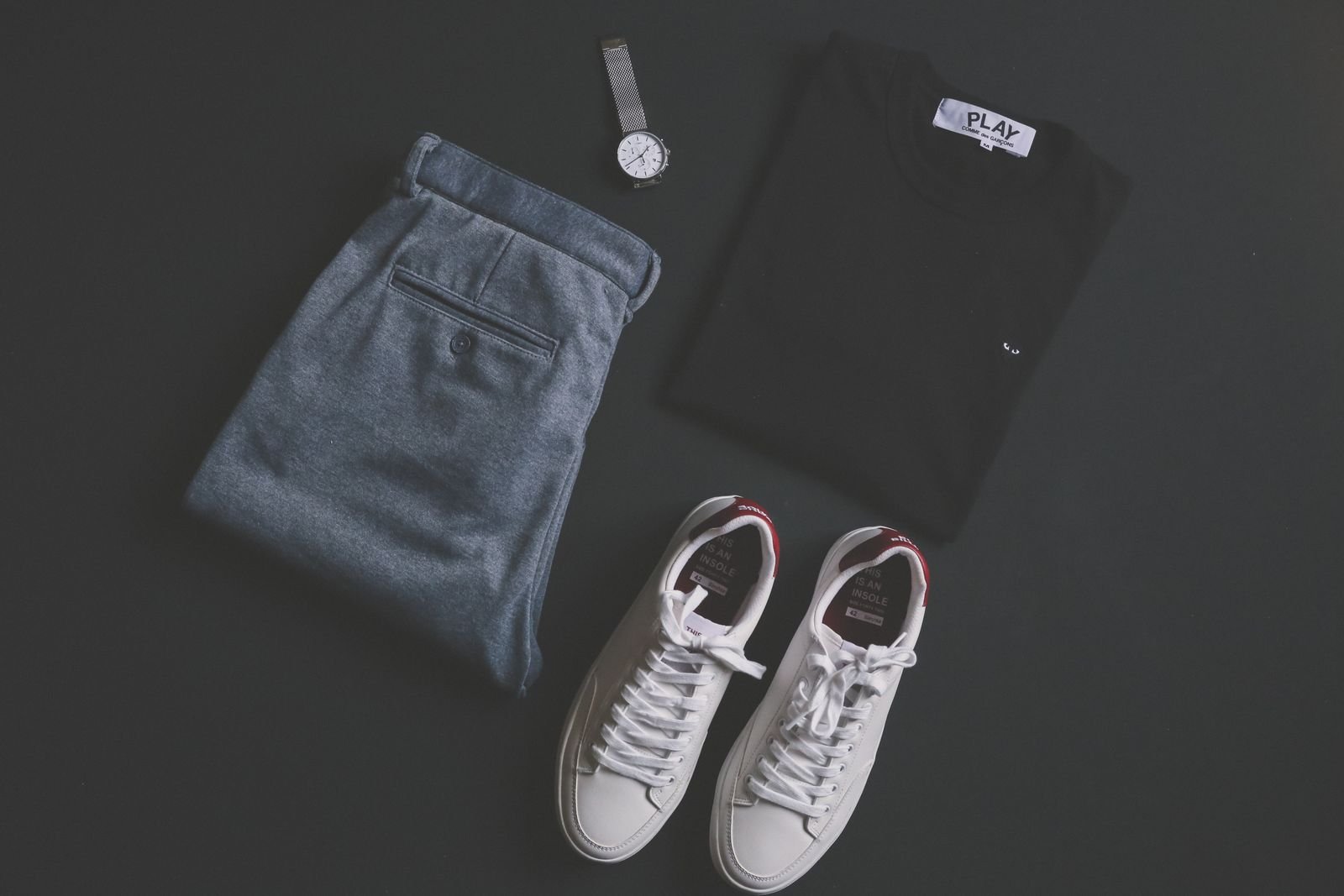
American Parkour puts it bluntly: “Parkour requires nothing.” The list below is what makes training easier, in the order it’s worth spending money.
1. Shoes: The Only Thing Worth Prioritising
Parkour.com’s gear list calls good shoes the most important element of parkour. That doesn’t mean expensive ones. Parkour UK says any pair of trainers will do for your first few sessions, and that parkour shoes don’t have to be expensive.
When you do buy a dedicated pair, look for:
- A flat, one-piece rubber sole. Parkour UK says these are best for grip. At the very least, make sure there’s rubber under the ball of your foot.
- Soft rubber, not plastic. American Parkour recommends simple soles of soft rubber.
- A good fit. American Parkour calls fit and comfort the most important factor in a shoe.
- Light weight. Parkour.com warns against shoes heavy enough to drag you down.
- Laces that tighten. Parkour Generations Boston asks for shoes that are comfortable, can be tightened and grip well, and doesn’t allow clogs or Crocs.
For specific models, see our guide to parkour shoes for beginners. Already training in skate shoes? Read Are Skate Shoes Good for Parkour?
2. Clothes You Can Move In
Parkour.com recommends clothing that is light and breathable, and the least restrictive you can find. American Parkour suggests trousers that allow a full range of motion and also give some protection from scrapes. Parkour Generations Boston adds one rule: nothing with loose ends that could get caught. You almost certainly own something suitable already. For more detail, read What to Wear for Parkour.
3. Water
An American Parkour article suggests that one or two 20 to 32 ounce bottles are usually enough for an hour or two of training, and that you drink about 20 ounces at least half an hour before you go out. Outdoors, there may be no fountain nearby.
4. Useful Extras, Later
- A small bag. Parkour.com recommends taking one when you train alone, with water and plasters. Our parkour backpack guide covers what to look for.
- A basic first aid kit. Scrapes are common. See what to pack in a parkour first aid kit.
- Layers for outdoor training. Parkour Generations Boston runs outdoor classes in all conditions and asks students to bring layers. Our cold weather guide explains how to dress for winter.
- Home conditioning kit. American Parkour lists a foam roller, resistance bands and a doorway pull-up bar as cheap, optional extras. See resistance bands for parkour and pull-up bars for parkour training.
What Beginners Can Skip
- Gloves. Parkour.com’s answer to whether you should wear them is no, because they take away the feel you need for surfaces. American Parkour doesn’t recommend them either, since they may hamper your grip. There are exceptions, such as freezing metal rails, covered in Parkour Gloves: Do You Actually Need Them?
- A helmet, for normal training. It’s not on the standard gear lists. The cases where it makes sense are in Do You Need a Helmet for Parkour?
- Pads, unless you want them. Knee and elbow pads can help while you learn wall work and rolls, but they’re optional. See Knee and Elbow Pads for Parkour.
Curious how the costs compare with a gym? We break it down in Parkour vs. Gym Memberships.
Frequently Asked Questions
Can I do parkour in running shoes?
For your first sessions, yes. Parkour UK says any trainers will do at first. Once you’re training regularly, a shoe with the flat, one-piece rubber sole Parkour UK recommends is worth getting.
How much should a beginner spend on parkour gear?
Very little. If your current trainers have grippy rubber soles, you can start for nothing. A dedicated pair of parkour shoes is the first real purchase worth making, and American Parkour notes that simple canvas shoes like Feiyues can cost around $20.
Do I need any equipment to train at home?
No. Bodyweight work covers the basics, and our 30-Day Beginner Parkour Training Routine needs no equipment.
Where to Go Next
Got your shoes? Start with How to Start Parkour Safely, then learn your first two skills: How to Do a Parkour Roll and How to Do a Safety Vault.