This post contains affiliate links. As an Amazon Associate, we earn from qualifying purchases at no extra cost to you.
You don’t need knee or elbow pads for parkour, but they’re genuinely useful while you’re learning. Knees and elbows take most of the bumps and scrapes in parkour, especially on cat leaps, wall work and rolls. A thin, soft pad that moves with you protects against those knocks without getting in the way. Bulky skate pads are usually overkill.
How Often Knees and Elbows Get Hurt
In a survey of 239 traceurs by a physical therapist, the knee accounted for 20.8% of reported injuries and the elbow, wrist and hand for 18.2%. Bruises were the single most common injury type, at 24.2%. A study of 180 traceurs found the same pattern at the knee: contusions and sprains were the most frequent knee injuries.
Pads can’t do anything about sprains, which come from landing mechanics. They’re for the contusions and scrapes: a knee clipping a wall during a cat leap, an elbow hitting concrete in a bad roll.
When Pads Are Worth Wearing
- Learning cat leaps and wall runs. Your knees are close to the wall on both, and early attempts often end with a knee hitting it. See the cat leap guide.
- Practising rolls on hard ground. Elbow pads are useful while your roll is still inconsistent.
- Coming back from a bruise. Training around a sore knee is easier with a layer over it.
- High-repetition drills. A long session of the same wall drill adds up.
Fitness experts have long suggested pads for beginners: an American Council on Exercise spokesperson told NBC News that new traceurs should wear knee and elbow pads at the very least. Most experienced traceurs drop them once their technique is reliable, which is a reasonable goal to aim for.
Soft Pads vs. Hard-Shell Pads
- Soft sleeve pads are a compression sleeve with foam padding. They’re light, quiet and flexible, which makes them the best fit for parkour, where you need full range of motion and a close feel for the wall.
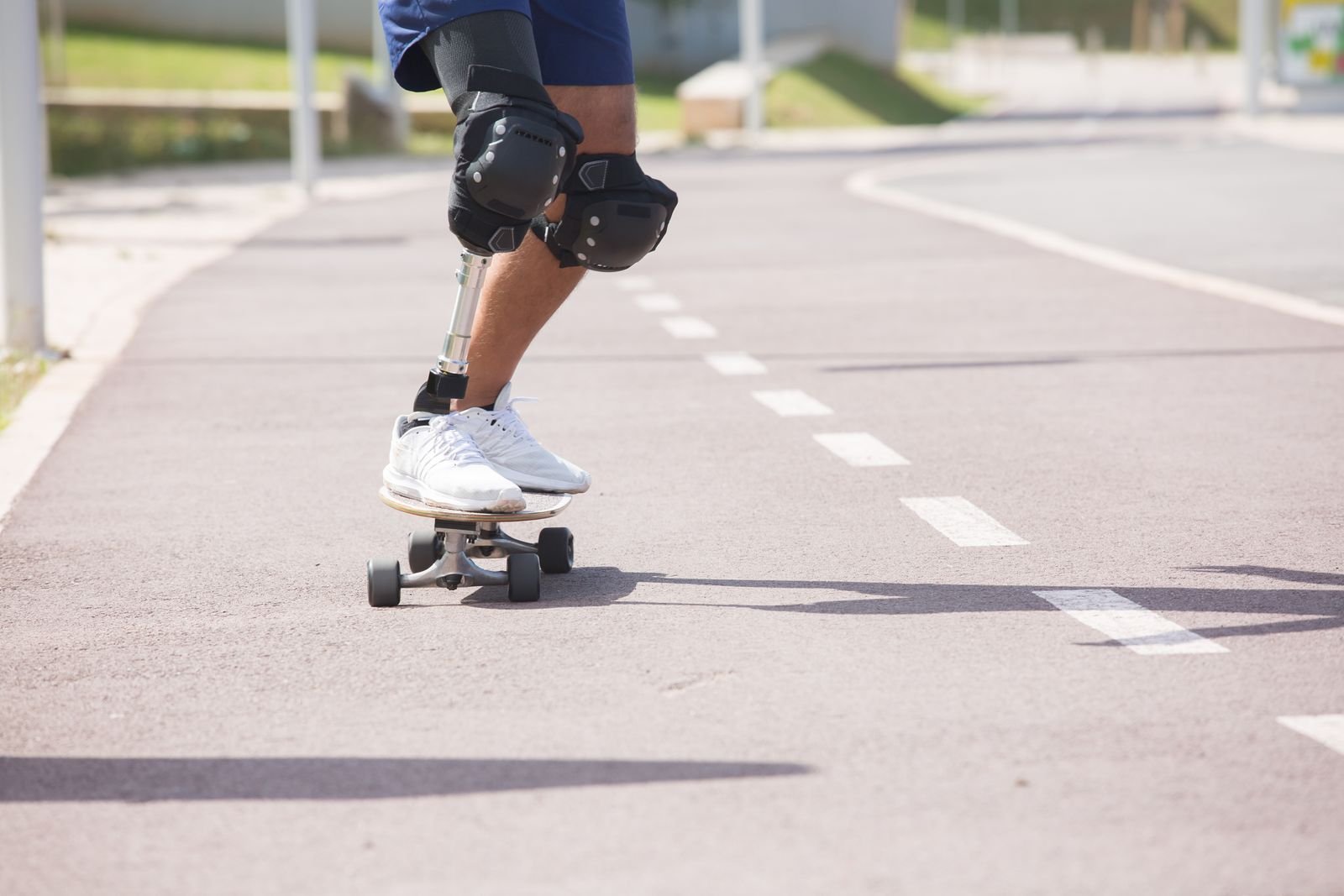
- Hard-shell pads add a plastic cap. They spread impact force and resist abrasion, but they run warmer and can shift if they aren’t strapped tightly. They make more sense for skating than for parkour.
How to Get the Right Fit
- Measure, don’t guess. 187 Killer Pads, for example, sizes its knee pads by measuring around the knee with your leg straight. G-Form measures the thigh and calf instead, so check each brand’s own chart.
- Size up between sizes if the brand recommends it, which many do.
- Expect them to be snug at first. Foam pads loosen with use.
- Test them moving. Squat, lunge and crawl. If the pad slides down or bunches behind your knee, it’s the wrong size or the wrong design.
Our Picks
We haven’t tested these ourselves. They’re chosen on published specifications for the qualities above: slim, flexible and designed for movement.
Knee pads
McDavid HEX Knee/Elbow/Shin Pads (6440). A soft sleeve with 9mm hexagonal foam padding, sold as a pair and machine washable, according to McDavid’s product page. It can be worn on knees or elbows, and it’s the most affordable option here.
G-Form Pro-X3 Knee Guards. A compression sleeve with padding that G-Form says hardens on impact, so it stays flexible while you move. Built for mountain biking, but the slim profile suits parkour.
187 Killer Pads Fly Knee Pad. A skate brand’s slimmest knee pad, with 7/8-inch foam and a small cap, per 187’s own FAQ. More protection than a sleeve, more expensive, and a bit bulkier.
Elbow pads
McDavid HEX High Impact Arm Sleeve. A full arm sleeve with 9mm foam padding at the elbow, sold as a single sleeve, so order two if you want both arms covered.
187 Killer Pads Elbow Pad. A tougher option in ballistic nylon with heavy stitching, according to 187’s product page. Better for rough-surface roll practice than for everyday training.
Frequently Asked Questions
Will pads slow down my progress?
Not if you use them for learning and drop them as your technique improves. The risk is relying on padding to attempt movements you can’t yet control.
Can I wear volleyball knee pads for parkour?
Yes. Volleyball and basketball sleeve pads are slim, soft and built for movement, which is exactly what parkour needs.
Do pads stop sprains?
No. Pads protect against impacts and scrapes. Sprains come from landings, and the fix is technique and strength, covered in How to Build Ankle Strength for Safer Landings.
Where to Go Next
For head protection, read Do You Need a Helmet for Parkour? For your hands, see Parkour Gloves: Do You Actually Need Them?