This post contains affiliate links. As an Amazon Associate, we earn from qualifying purchases at no extra cost to you.
A parkour first aid kit needs to handle three things: scrapes, torn skin on your hands, and sprained ankles. That means wound cleaning wipes, plasters and dressings, something for blisters, tape and an elastic bandage, plus gloves and tweezers. It should be small enough to live in your training bag permanently, because the session you leave it at home is the one you’ll need it.
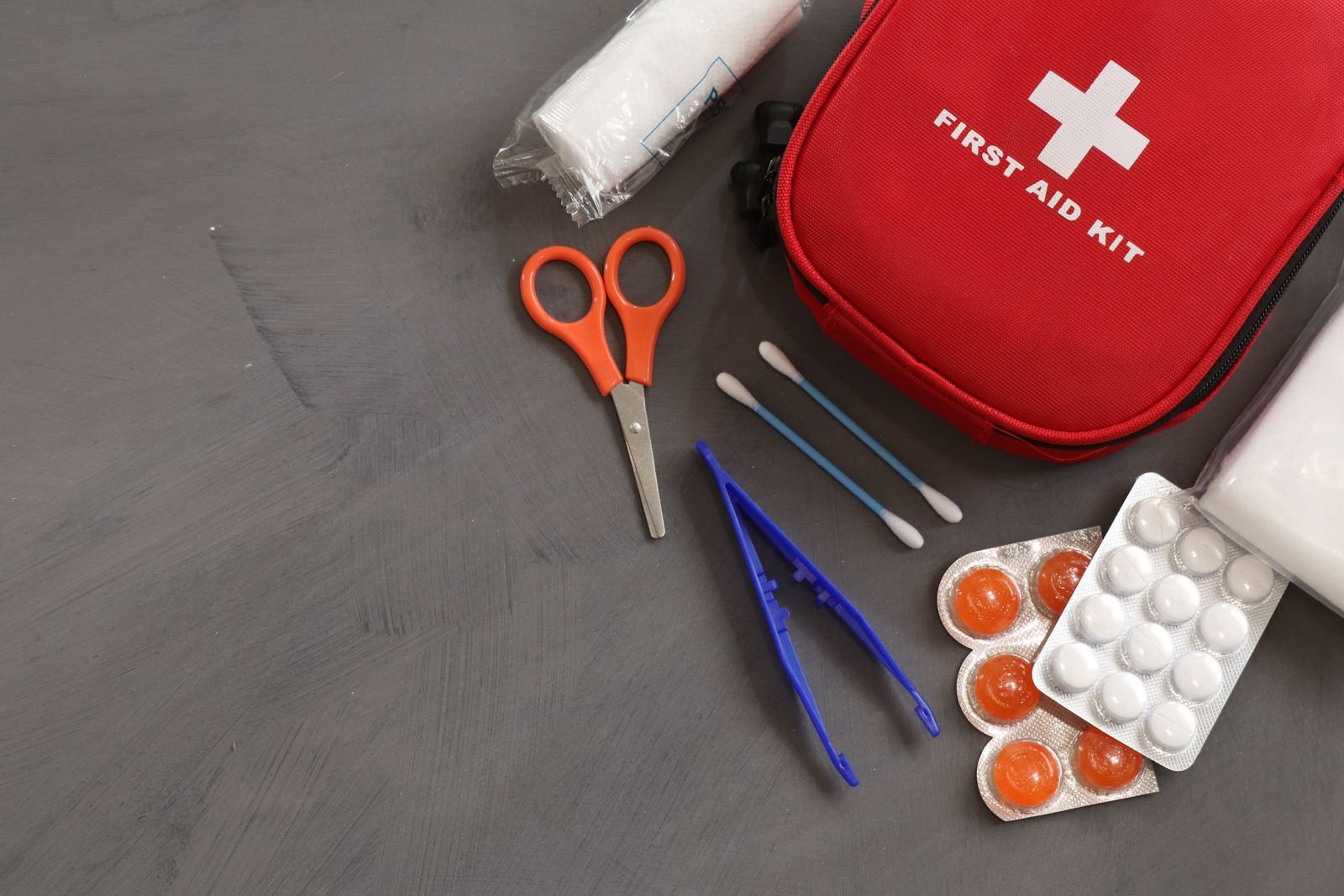
Pack for the Injuries Parkour Actually Causes
The ankle is the most commonly injured body part in parkour. In a study of 180 traceurs, 67.2% had suffered an ankle injury, mostly sprains, and 43.3% a knee injury, mostly contusions and sprains. Emergency department data adds abrasions and lacerations to the list of common diagnoses. Day to day, the injuries you’ll deal with most are scraped palms, knees and shins.
Parkour.com’s gear guide recommends carrying a bag with water and bandages, especially when you train alone.
The Checklist
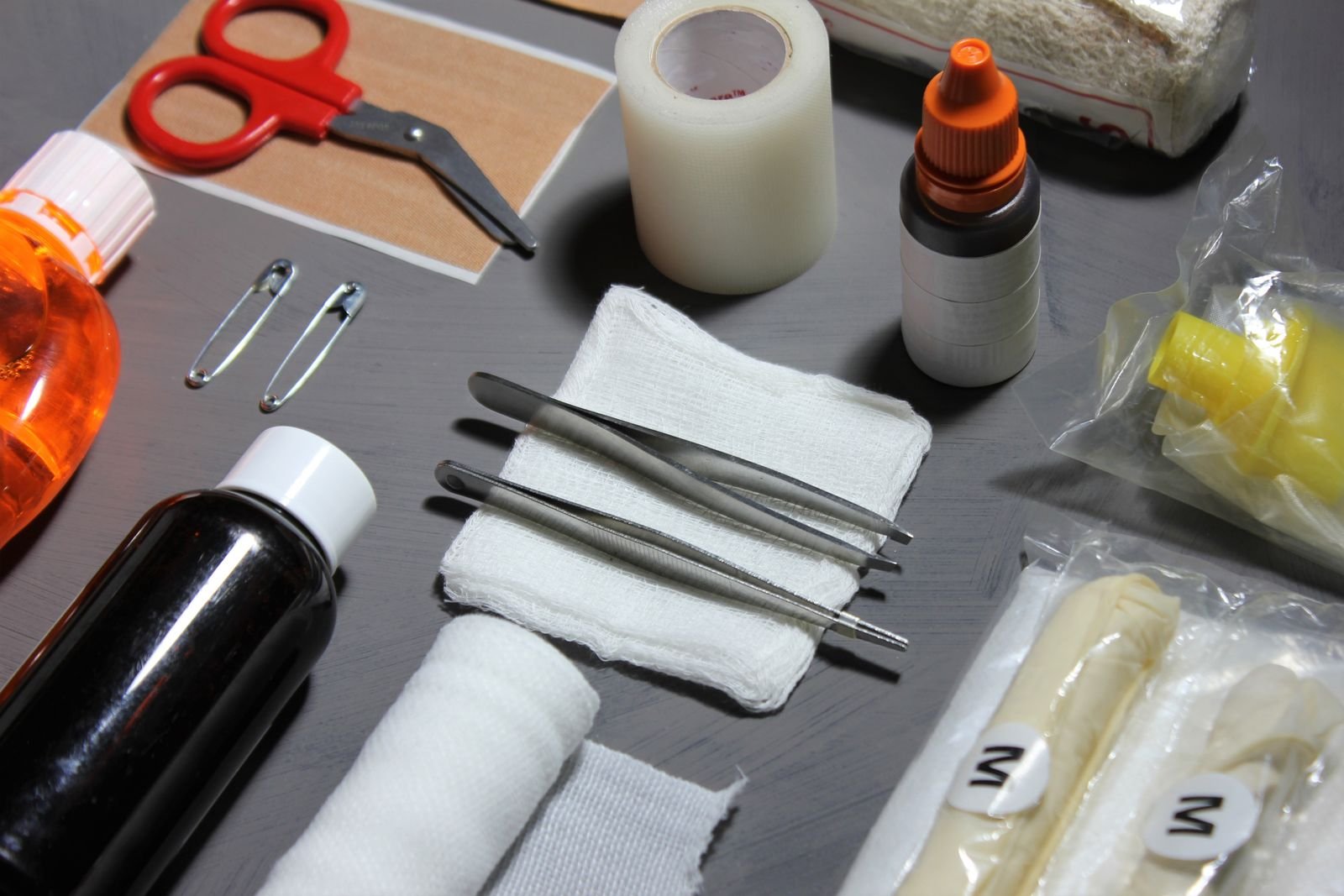
This list draws on Enso Movement’s parkour first aid kit guide and REI’s first aid checklist, trimmed to what fits a training bag.
For scrapes and cuts
- Antiseptic wipes (REI suggests BZK wipes, though alcohol wipes also work)
- Plasters in several sizes
- Sterile gauze pads and non-stick dressings
- Petroleum jelly or antibiotic ointment
- A small bottle of clean water for rinsing
- Butterfly closures for small cuts
For hands and blisters
- Moleskin or blister plasters
- Small scissors or nail clippers for trimming loose skin
- Athletic tape
For sprains
- An elastic compression bandage
- An instant cold pack (optional, see the note on ice below)
Tools and extras
- Nitrile gloves (Enso notes they resist punctures better than latex)
- Fine-point tweezers for grit and splinters
- Safety pins
- A waterproof bag to keep it all dry
- Any personal medication you need. Check with a pharmacist before adding painkillers, and don’t share them.
How to Use It
Scrapes
Mayo Clinic’s first aid guidance: rinse the wound with clean water, wash around it with soap, and skip hydrogen peroxide and iodine, which can irritate the tissue. Apply a thin layer of petroleum jelly or antibiotic ointment, cover it, and change the dressing daily. The NHS advises getting medical help if a wound is still dirty after cleaning or is longer than 5cm.
Blisters and hand rips
The American Academy of Dermatology advises leaving a blister’s roof in place and covering it loosely, and only draining a large, very painful one with a cleaned needle at the edge. For a torn flap of skin on your palm, a common approach in gymnastics is to clean it, trim the loose skin, and keep it moist with ointment while it heals.
Sprains
Stop training. The NHS recommends PRICE for the first 2 to 3 days: protection, rest, ice for up to 20 minutes every 2 to 3 hours, compression and elevation, and avoiding heat, alcohol and massage early on. A newer framework in the British Journal of Sports Medicine, PEACE and LOVE, notes there’s no high-quality evidence that ice helps and emphasises protection, compression, then gradual loading. Both agree on the essentials: protect it, compress it, elevate it, and get it checked if you heard a crack, can’t bear weight, or the joint looks the wrong shape.
Ready-Made Kits
We haven’t tested these ourselves. They’re chosen on published specifications for size and contents. Whichever you choose, add moleskin and an elastic bandage if they aren’t included.
Adventure Medical Kits Ultralight/Watertight .5. A 3.6 oz kit in a waterproof inner bag, with moleskin and butterfly closures included, according to the manufacturer. The closest ready-made match to the list above.
American Red Cross Personal First Aid Kit. A 42-piece kit in a hard case weighing 0.67 lb, with 21 adhesive bandages, gauze, nitrile gloves, antiseptic towelettes and scissors, per the Red Cross store. Cheap and well stocked for scrapes, but needs blister and sprain supplies added.
Frequently Asked Questions
Is it better to build my own kit or buy one?
Buying a small kit and adding blister and sprain supplies is the easiest route. Building your own lets you skip items you’ll never use.
Should I train after a scrape?
For a small, clean, covered graze, usually yes. Avoid movements that put the wound straight back onto rough surfaces.
How often should I restock?
Replace whatever you use straight away, and check expiry dates on ointments and wipes every few months.
Where to Go Next
Prevention beats treatment: read Common Parkour Injuries by Body Part and Knee and Elbow Pads for Parkour. Training alone? See How to Train Parkour Solo, Safely.