This post contains affiliate links. As an Amazon Associate, we earn from qualifying purchases at no extra cost to you.
Updated September 2026: our current picks for the best parkour shoes.
The single most important thing in a parkour shoe is a full rubber outsole. Not a rubber pad glued onto foam, not a foam sole with rubber patches, the whole underside rubber. Get that right and most other decisions are preference. Get it wrong and no amount of cushioning or branding saves you when your foot meets a wall.
What Actually Matters
Before the picks, the criteria. A parkour gym’s own footwear guide puts the warning in capitals: avoid foam sole shoes. Plenty of athletic shoes are marketed on how light the sole makes them, and weight matters, but grip reigns supreme. What you want is an unbroken rubber sole with no awkward rubber-and-foam mix.
- Full rubber outsole. Flip the shoe over in the shop. If you see foam anywhere on the contact surface, put it back.
- Sole that wraps up the sides. Adds grip on wall contact and protects the part of the shoe that fails first. Costs a little weight, worth it.
- Thin enough to feel the ground. You need to judge a landing surface through your foot. Thick cushioned soles block that.
- Snug fit. A shoe that slides around inside itself will betray you on a precision landing.
- Replaceable price. You’ll go through two or three pairs a year. Treat shoes as a consumable, not an investment.
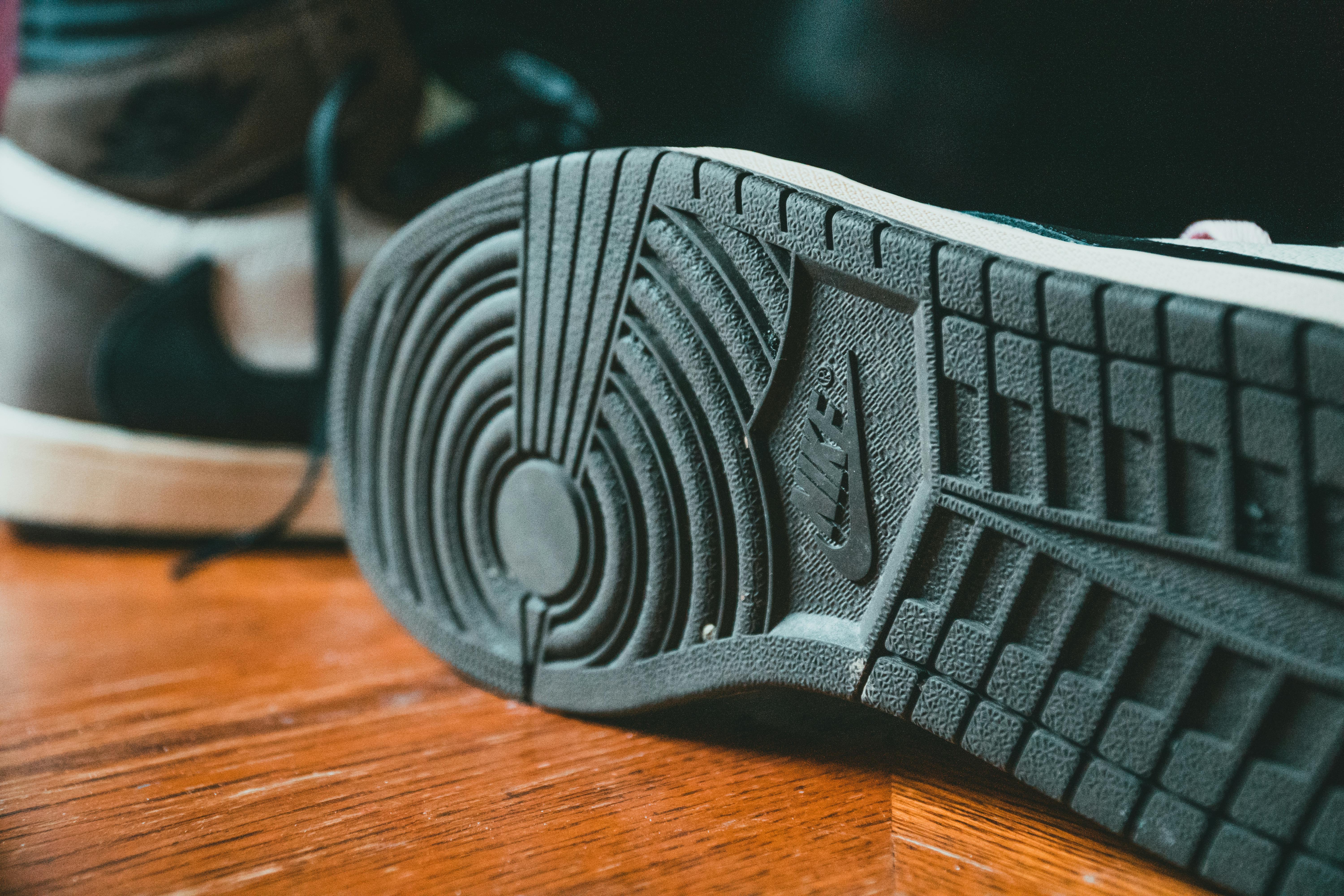
1. PUMA Future Rider, Best All-Round
The Future Rider has become a genuine community favourite, and the reason is a combination rather than any single standout feature: solid grip, enough cushioning to take drops, and a price around the $80 mark that makes replacing them every few months tolerable. If you want one pair and don’t want to think hard about it, this is the default recommendation in 2026.
Check the PUMA Future Rider on Amazon
2. Ollo Alpha, Best Purpose-Built
Something that didn’t exist when this article was first written: shoes designed by parkour companies for parkour. Ollo’s Alpha uses their 0110 high-grip rubber compound, and their SapienX model was co-engineered with Michelin using a genuine Michelin high-grip sole. The sole wraps up the sides, which is exactly the construction detail that separates a parkour shoe from a trainer that happens to grip.
These are sold direct rather than through Amazon, so there’s no affiliate link here. Ollo’s own site is the place to look.
3. Feiyue, Best Budget and Best Ground Feel
The cheapest serious option on this list, and one traceurs have used for years. The thin rubber sole grips concrete with an almost adhesive quality that thicker modern soles genuinely can’t replicate, and the ground feedback through it is excellent for precision work and rail balance.
The trade-off is real: almost no cushioning, so they’re poor for repeated drops from height. Many traceurs keep a pair specifically for technique sessions.
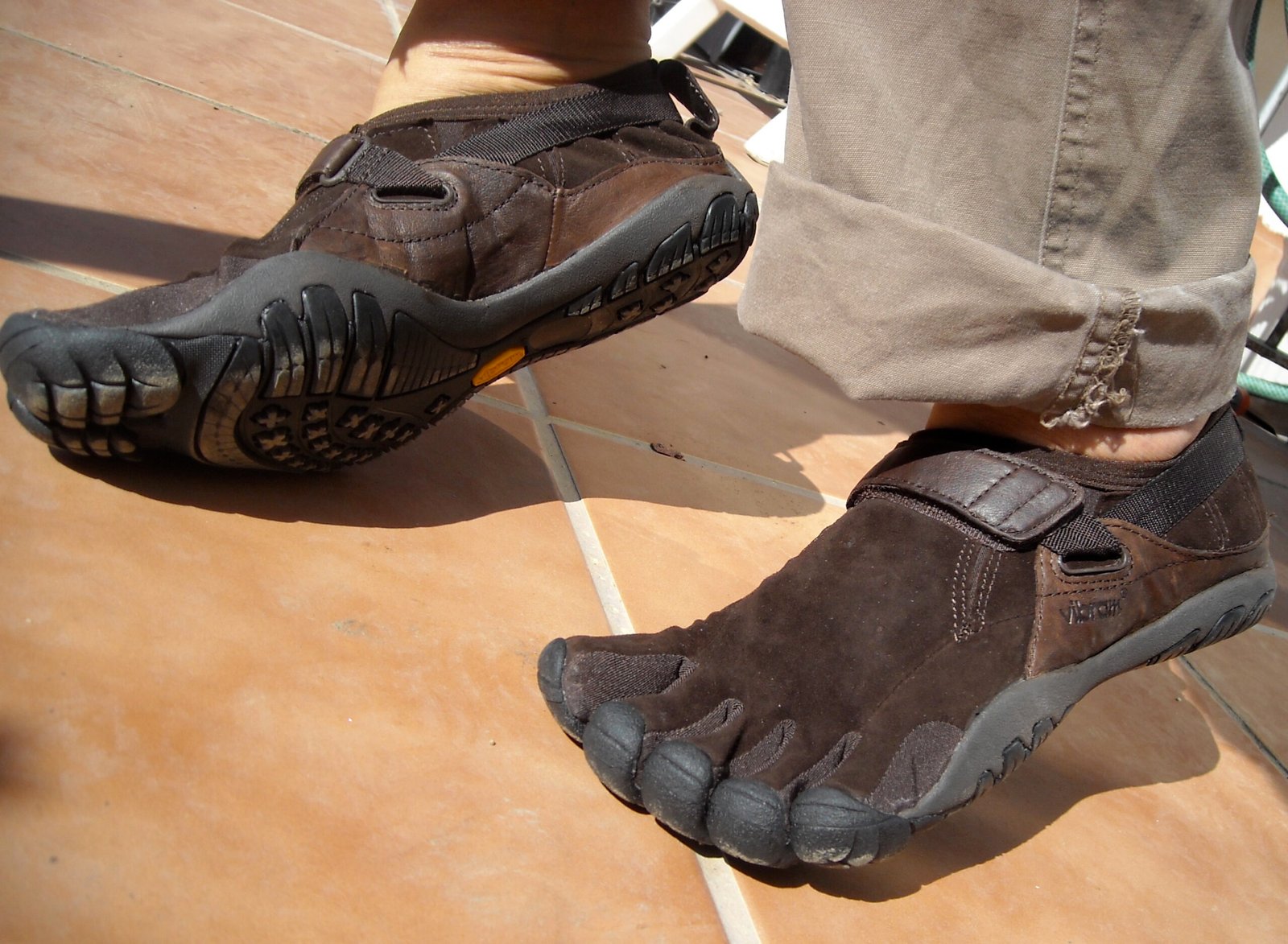
4. Vibram KSO EVO, Best Minimalist
For traceurs who want maximum ground feel and a wide toe box that lets the foot splay naturally. The multi-directional lacing holds the foot securely and the rubber sole handles abrasion well for how thin it is.
Be honest with yourself about whether you’re ready for these. With essentially no impact absorption, they demand landing technique that’s already good. They’re a poor first shoe and an excellent third one.
Check the Vibram KSO EVO on Amazon
5. ASICS Gel-Venture, Best Cushioned
A trail runner rather than a parkour shoe, and that’s the point. The gel cushioning genuinely helps on impact-heavy sessions where you’re taking repeated drops, and the trail outsole grips better than a road running shoe would.
It’s heavier than anything else here and you lose ground feel. Worth knowing the Gel-Venture has gone through several generations since this article first ran, so check which version you’re buying.
Check the ASICS Gel-Venture on Amazon
6. New Balance Arishi, Best for Comfort
The most forgiving option here, with fresh foam cushioning and a padded collar. If you’re coming to parkour with sore knees or you’re carrying more weight, the extra shock absorption is a reasonable trade for some ground feel.
Check the outsole on the specific model you buy. Some Arishi versions have more exposed foam than others, and that’s the thing to avoid.
Check the New Balance Arishi on Amazon
Best Budget Parkour Shoes
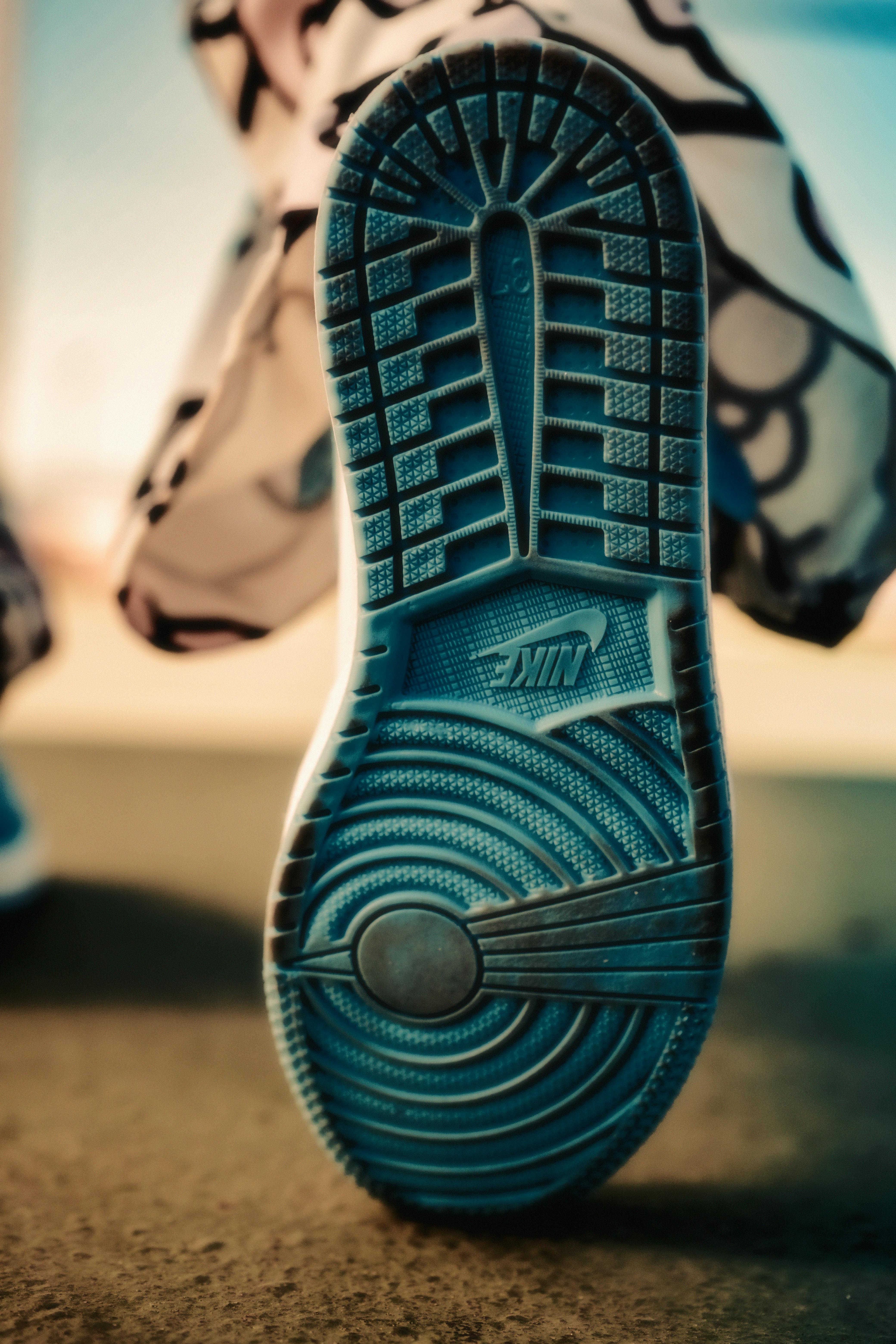
If you want cheap parkour shoes, start with Feiyue: they’re the least expensive serious option above and grip concrete very well, at the cost of cushioning. The PUMA Future Rider, at around $80, is the best value if you want more protection for drops. Two more ways to save:
- Buy last season’s colourway. The sole is usually identical, and older colours are often discounted.
- Judge by the sole, not the brand. A cheap trainer with a full rubber outsole beats an expensive one with exposed foam. Use the checklist at the top of this page in the shop.
Parkour Shoes for Wide Feet
A shoe that squeezes your toes will hurt on landings and cost you balance on rails. If your feet are wide:
- Look for a wide toe box, like the Vibram KSO EVO above, which lets your toes spread naturally. Many barefoot-style shoes share that shape.
- Check for wide widths. New Balance, for example, sells many of its shoes in wide sizes, so see whether the model you want has a wide option.
- Try shoes on late in the day, when feet are at their largest, and in the socks you train in.
- Don’t size up in length to get width. A shoe that’s too long lets your foot slide, which is worse on a precision landing than a slightly snug fit.
Most Traceurs End Up With Two Pairs
No single shoe does everything well, which is why experienced practitioners commonly keep two: a thin, grippy pair for technique work, precisions and rail balance, and a more cushioned pair for sessions involving real drops. You don’t need both on day one. It’s worth knowing that’s where you’ll probably end up, so your first purchase doesn’t have to solve every problem.
Frequently Asked Questions
Can I just use running shoes?
To start, yes, provided the sole is rubber rather than foam. Running shoes are generally too soft and too bulky for precision work, and the exposed foam on many modern models has no grip on a wall. They’ll get you through your first few sessions.
How much should a beginner spend?
Not much. Feiyue are inexpensive and genuinely good, and there’s no sense spending heavily on a purpose-built shoe before you know how you train and how fast you wear soles through. Upgrade once you have that information.
Are skate shoes a reasonable substitute?
For a first few sessions, often yes. They grip well, but they’re heavier and stiffer than you want, with soles built for a board rather than for absorbing landings. The full trade-offs are covered separately below.
Keep Your Shoes Performing
Once you’ve picked a pair: how to clean them without ruining the grip, how to know when to replace them, whether skate shoes are good for parkour, and the science of grip on urban surfaces if you want to understand what makes a sole actually work.
Pingback: Beyond The Vault: Why Parkour Is The Ultimate Human Reset - ParkourChase
Pingback: Why Do Parkour Athletes Wear Baggy Pants? What To Wear