A heel bruise from parkour is usually a deep, aching pain in the centre of the heel caused by landing on your heels or flat-footed, especially on hard ground. It’s the fat pad under your heel that’s been bruised. Rest from jumping, ice and cushioned shoes or heel cups usually help it settle, and landing on the balls of your feet stops it coming back. If you can’t put weight on the heel after a fall or drop, or it’s swollen or misshapen, see a doctor, because a heel fracture needs ruling out.
This post contains affiliate links. As an Amazon Associate, we earn from qualifying purchases at no extra cost to you.
This article is general information, not medical advice. If you’re unsure what’s going on with your heel, see a doctor or physiotherapist.
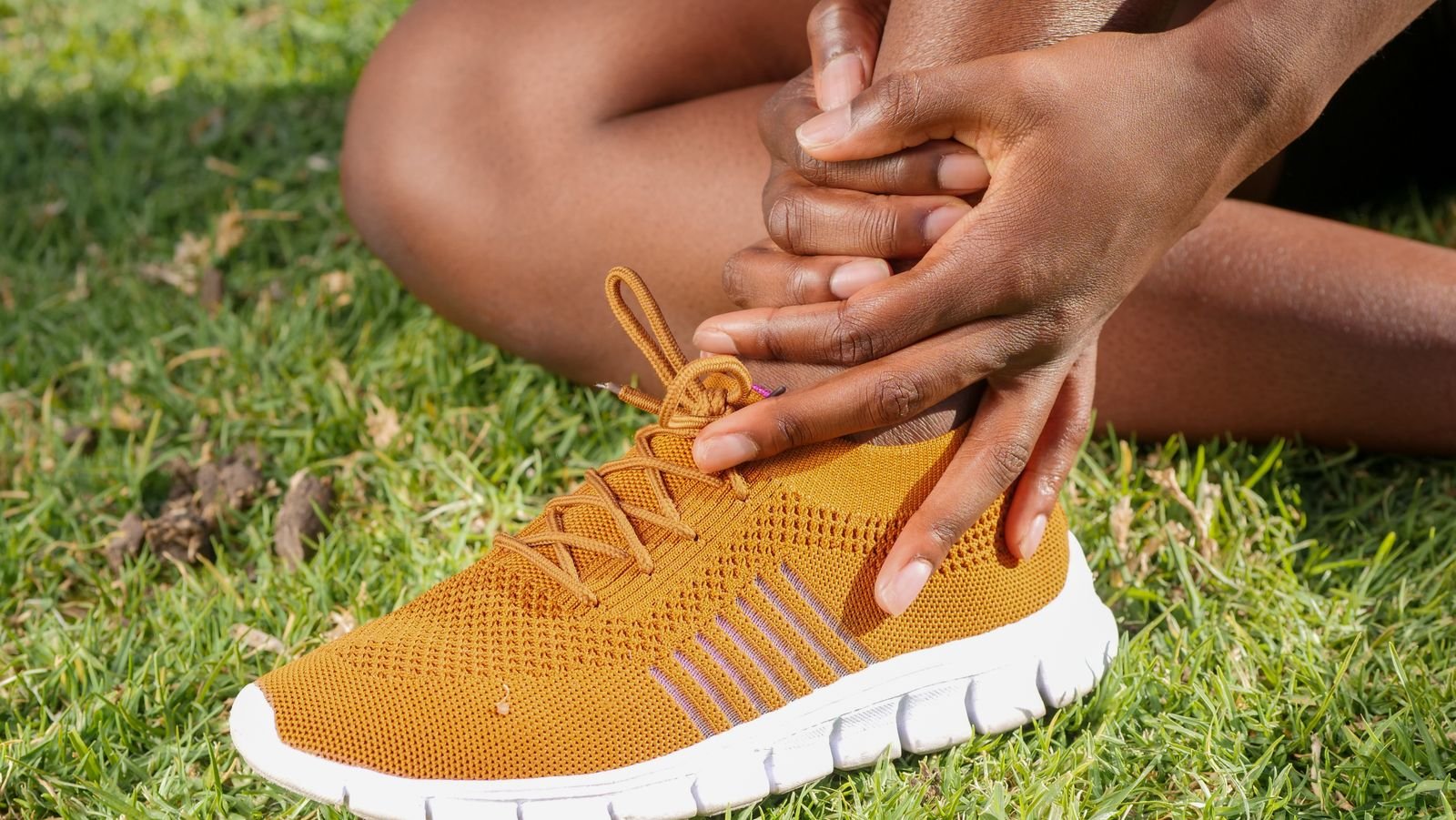
What Is a Heel Bruise?
Under your heel bone sits a thick pad of fat that cushions every step and landing. The American Academy of Orthopaedic Surgeons’ page on heel pain describes a “stone bruise” of this fat pad, caused by landing on something hard, and notes that it gradually goes away with rest.
Repeated pounding can cause a longer-lasting problem too. Cleveland Clinic’s page on heel fat pad syndrome lists high-impact activities like jumping, running, basketball and gymnastics among the causes, along with going barefoot on hard surfaces and poor footwear.
Why It Happens in Parkour
- Landing on your heels. Drops and precision jumps that land flat-footed or heel-first send the impact straight into the heel pad.
- Hard surfaces. Concrete and stone don’t give at all.
- Too much, too soon. A session with lots of drops, or a big increase in height, can overload the heel.
- Worn-out shoes. Thin, flattened soles give less protection. See our guide to when to replace parkour shoes.
Symptoms: Bruise, Plantar Fasciitis or Something Worse?
| Heel bruise or fat pad pain | Plantar fasciitis | Possible fracture | |
|---|---|---|---|
| Where | Centre of the heel | Inner front of the heel, towards the arch | Heel bone |
| Feels like | Deep, bruise-like ache, tender if you press the middle of the heel | Often worst with the first steps in the morning | Pain, swelling, bruising, difficulty putting weight on it |
| Typical trigger | Hard landings, barefoot on hard floors | Too much running or jumping | A fall or drop from height, or repeated pounding (stress fracture) |
When to See a Doctor
The AAOS page on heel bone fractures says the heel is most often broken in a fall from a height or a car crash, and lists being unable to put weight on the heel or walk among the common symptoms. The AAOS heel pain page also describes stress fractures of the heel bone from repeated high-impact activity. Get checked if:
- you can’t put weight on the heel or walk normally after a drop or fall
- the heel is swollen, badly bruised or looks a different shape
- the skin is broken over the injury
- the pain keeps getting worse, including at rest
- it isn’t improving with rest from jumping. The AAOS advises seeing a doctor about heel pain sooner rather than later
The AAOS heel pain page puts it simply: if your heel hurts, see your doctor to find out why. It also notes that heel pain can take several months to improve with conservative care.
How to Treat a Heel Bruise
For a simple bruise without any of the warning signs above, Cleveland Clinic and the AAOS describe similar first steps:
- Rest from jumping. Stop drops and precision jumps until it stops hurting. Upper-body work, balance and low-impact training can usually carry on.
- Ice. Cleveland Clinic suggests about 20 minutes after activity.
- Cushion it. Wear supportive, cushioned shoes and avoid going barefoot on hard floors. Both sources mention heel cups or pads.
- Pain relief if needed. Both sources mention over-the-counter anti-inflammatories. Check with a pharmacist that they’re suitable for you.
- Return gradually. Start with low, soft landings on grass or mats and build back up over several sessions.
Gear That May Help
We haven’t tested these ourselves, and they’re aids, not cures. If pain continues, see a professional.
- Heel cups: both the AAOS and Cleveland Clinic list heel cups among the options for heel pain. They sit in your shoe under the heel. Check that your parkour shoes still fit with one in.
- Cushioned insoles: Cleveland Clinic mentions cushioned inserts. Thinner ones may suit parkour shoes better, since a thick insole can make a shoe tight.
- Better-cushioned shoes: if your shoes are worn flat, replacing them may help more than an insert. Our parkour shoe guide compares options.
How to Prevent Heel Bruises
- Land on the balls of your feet. Let your heels come down gently afterwards and bend your knees and hips to absorb the impact. Aim for quiet landings.
- Build height slowly. Our landing progressions show how to add height step by step.
- Roll from bigger drops. A parkour roll spreads the force instead of sending it all into your heels.
- Mix surfaces. Practise new drops on grass or mats before concrete.
- Limit drops per session. Spread high-impact work across the week.
Frequently Asked Questions
How long does a heel bruise take to heal?
It varies. A minor bruise may settle with rest, but heel pain can linger, and the AAOS notes it may take several months to improve with conservative treatment. Ease back gradually rather than going straight back to big drops.
Can I keep training with a bruised heel?
You can usually keep doing upper-body, balance and low-impact work. Stop jumps and drops until walking and gentle hopping don’t hurt.
Is it a heel bruise or plantar fasciitis?
Cleveland Clinic notes that fat pad pain sits in the centre of the heel, while plantar fasciitis is nearer the instep and is typically worst with the first steps in the morning. They can occur together, so if you’re not sure, get it checked.
Where to Go Next
See how heel injuries fit into the bigger picture in our breakdown of parkour injuries by body part, and keep an ice pack in your parkour first aid kit.