A jump rope is one of the cheapest and most portable training tools for parkour. Skipping trains light, quick feet, rhythm, calf and ankle conditioning and fitness, all of which can help with precision jumps, strides and soft landings. A beaded or basic speed rope sized to your height is all most people need. Start with short sessions on a forgiving surface and build up gradually, because skipping is still repeated impact on your shins and ankles.
This post contains affiliate links. As an Amazon Associate, we earn from qualifying purchases at no extra cost to you.
Quick picks: the Rogue Beaded Jump Rope if you’re new to skipping, the Rogue Bushing Speed Rope for a durable all-rounder, and the Crossrope 3 oz Speed Rope for faster indoor work.
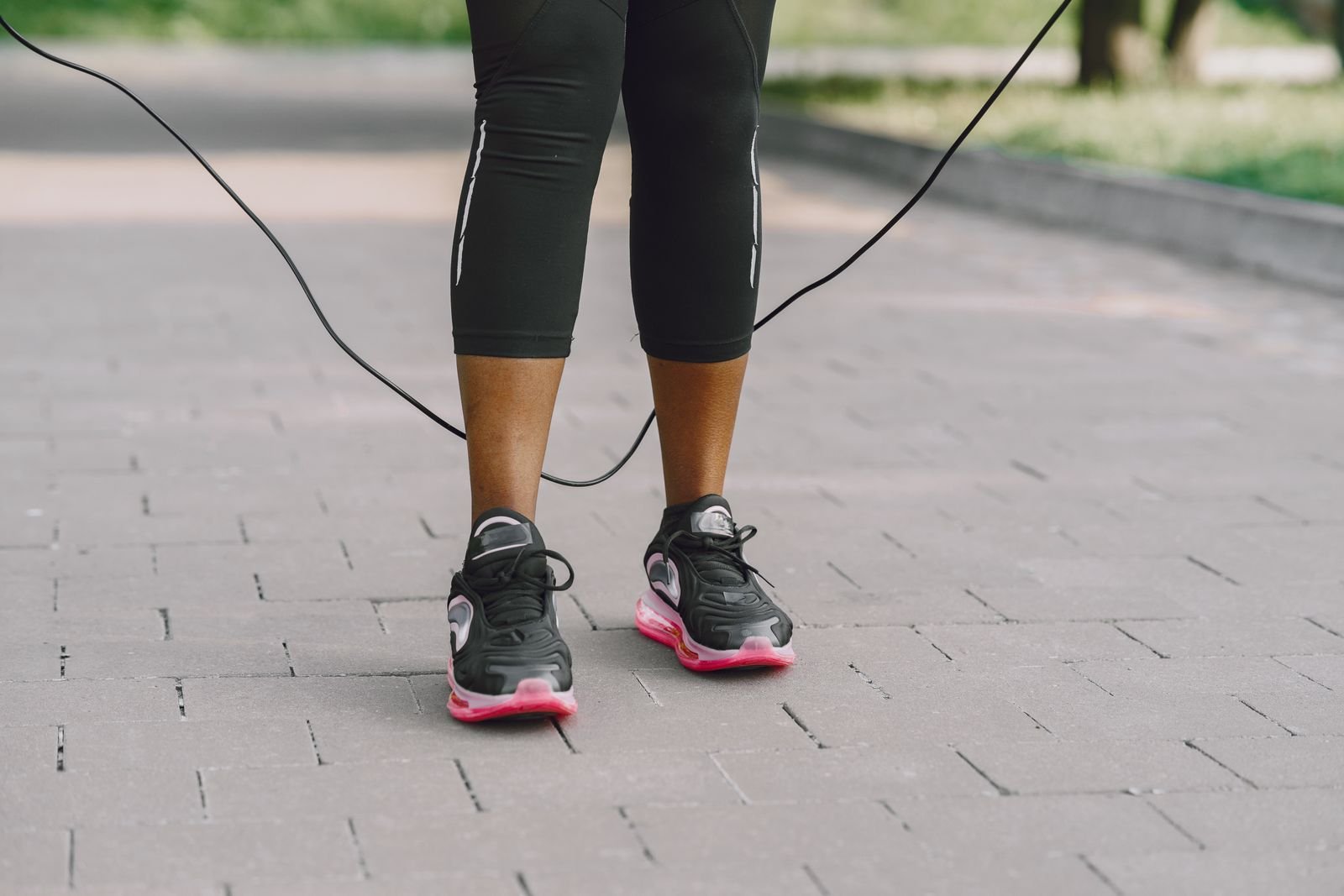
Why Jump Rope Helps Parkour
- Light, springy feet. Skipping keeps you on the balls of your feet with short, quick contacts, the same quality you want in strides and running precisions.
- Rhythm and coordination. Timing the rope with your feet trains the kind of coordination that helps you link moves together.
- Calf and ankle conditioning. Hundreds of small bounces build tolerance in the lower legs, which take a lot of load in parkour.
- Fitness anywhere. A rope fits in a bag, so you can do conditioning at a spot, at home or while travelling.
What the Research Says
There’s no research on jump rope for parkour specifically. The best general evidence comes from children. A 2023 meta-analysis in the Journal of Sports Science and Medicine pooled 15 randomised trials with 1,048 children aged 10 to 12. Compared with regular PE, jumping rope gave small to large improvements in measures including coordination, balance, speed and cardiorespiratory fitness, with agility gains in boys. The authors note that the number of studies was small, and these were children, not trained athletes, so treat it as encouraging rather than proof for adults.
How to Size a Jump Rope
Crossrope’s sizing guide gives two simple methods:
- Adjustable speed rope: stand on the middle of the rope and trim it until the handles reach roughly your armpits. Start slightly long and shorten it.
- Beaded rope: go slightly longer than a speed rope, because the beads add weight.
- Fixed-length ropes: use the brand’s height chart. Crossrope’s chart, for example, puts someone 5 ft 5.5 in to 5 ft 10 in on an 8 ft 6 in rope, and suggests beginners between sizes go one size longer.
Three Ropes Worth a Look
We haven’t tested these ourselves. Specs come from each brand’s own product page.
Rogue Beaded Jump Rope
- Who it suits: beginners and anyone relearning their timing.
- Why it’s worth a look: Rogue describes plastic beads over a braided polypropylene rope, in 7, 8, 9 and 10 ft lengths, at about 3.2 oz. Rogue says the beads give beginners a feel for the rope’s timing.
- The catch: it’s a fixed length, so pick carefully, and Rogue recommends a rubber or other non-abrasive surface.
Rogue Fixed Length Bushing Speed Rope
- Who it suits: someone who wants one durable rope for general conditioning.
- Why it’s worth a look: Rogue lists a 3.2 mm PVC-coated steel cable, about 50% thicker than its standard speed rope, in six fixed lengths from 88 to 115 inches. Rogue pitches it at beginner and intermediate athletes and high-volume gyms.
- The catch: again, fixed length, and Rogue recommends rubber or other non-abrasive surfaces.
Crossrope 3 oz Speed Rope
- Who it suits: experienced skippers who want a fast rope for double-unders and intervals.
- Why it’s worth a look: Crossrope describes it as the lightest rope in its weighted speed set, with a thin PVC coating, sized by height from 7 ft to 9 ft 6 in.
- The catch: handles are sold separately, and Crossrope says these ropes are for indoor use or with a jump rope mat only.
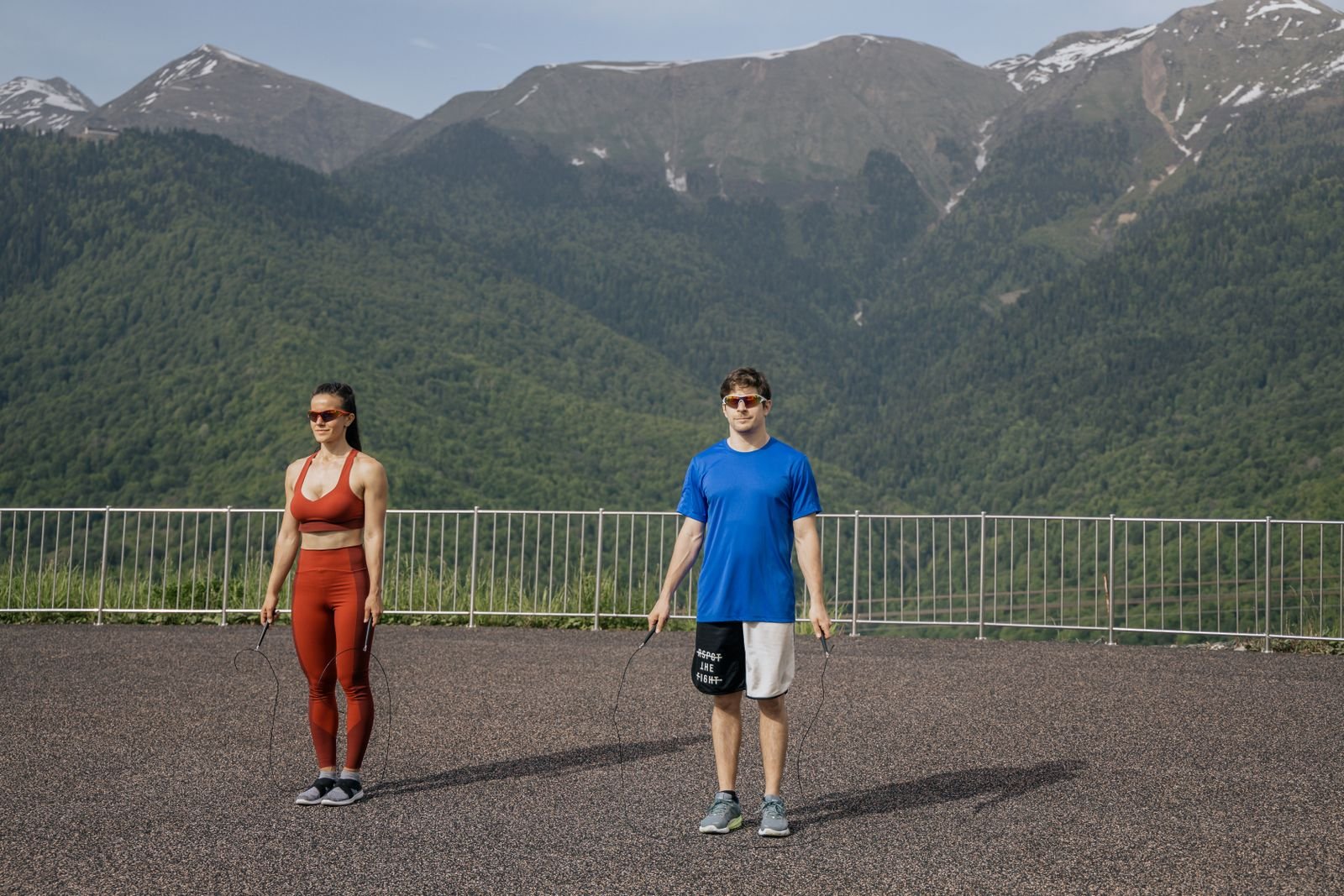
A Simple Jump Rope Routine for Traceurs
Use it as a warm-up or as a short conditioning finisher. Keep the jumps small and quiet, landing on the balls of your feet with soft knees.
- Basic bounce: both feet together, small hops.
- Alternate feet: a light jogging step over the rope.
- Side to side: small hops left and right, like skiing.
- Single leg: a few hops on each leg, which builds ankle control for landings.
- Rest between rounds. Short rounds with rests are better than one long effort while you’re building up.
Increase the time gradually over weeks, not days. Skipping adds to the impact you already get from parkour. Our guides to preventing shin splints and building ankle strength explain why that matters.
Frequently Asked Questions
Can I skip on concrete?
You can, but it’s harder on your legs and wears ropes out faster. Rogue recommends rubber or other non-abrasive surfaces for its ropes, and Crossrope says its speed ropes are for indoor use or with a mat. A rubber mat, wooden floor or smooth court is kinder to both you and the rope.
Beaded or speed rope?
Beaded ropes are slower and easier to time, which suits beginners. Speed ropes are faster and better once you’re comfortable and want quicker footwork or double-unders.
How often should I jump rope for parkour?
A few short sessions a week, as a warm-up or finisher, is plenty for most people. Cut back if your shins or calves feel sore the next day.
Where to Go Next
Put your quicker feet to work with strides and running precisions, and build more power with plyometrics for parkour.